

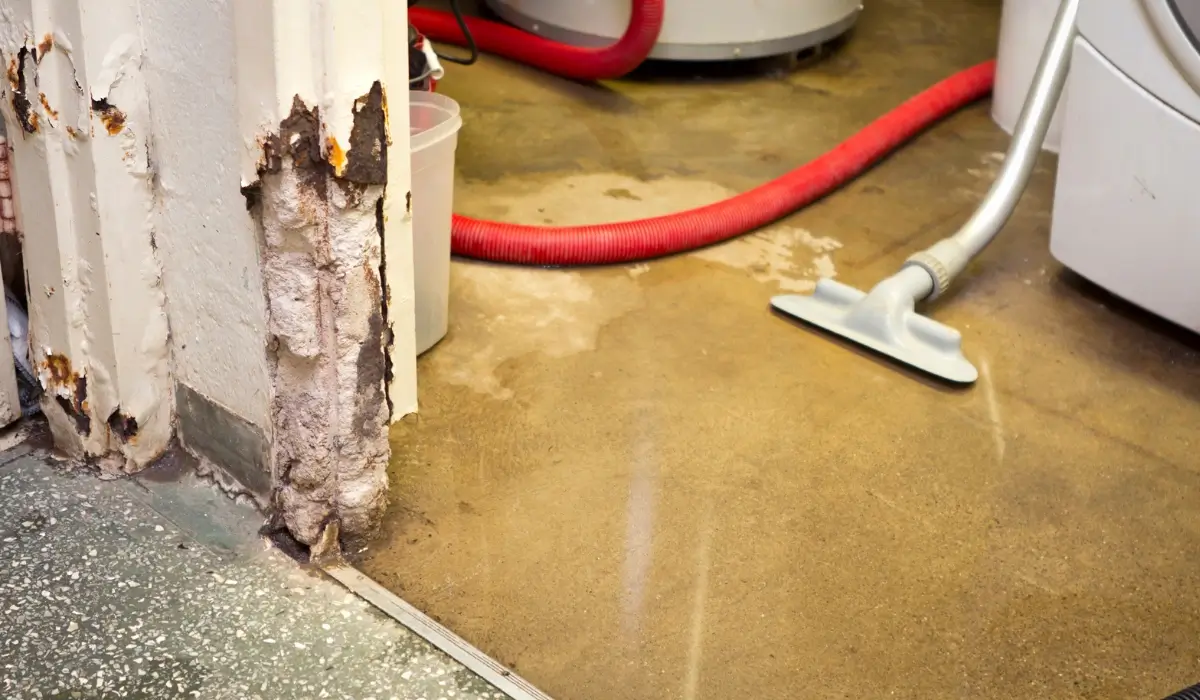
Your home is likely the most valuable asset you own. Every decision you make about maintaining it, or not maintaining it, has a direct effect on what it’s worth. A few issues quietly erode that value such as water damage in the basement.
It starts small. A little moisture after a heavy rain. A faint musty smell you’ve gotten used to. Maybe some white chalky residue on the concrete walls that’s been there so long you’ve stopped noticing it. These things feel minor, but what they represent is anything but.
At Foundation Restoration, we see the financial consequences of ignored basement water damage all the time. Here’s what it’s really costing you, and what you can do to turn it around.
The Numbers Are Hard to Ignore
Water damage doesn’t just cost money to fix. It also costs money in lost home value. The gap between what your home could be worth and what buyers will offer when they see moisture issues can be significant.
Real estate professionals and appraisers consistently report that homes with visible or known water damage tend to sell for significantly less than comparable homes without damage, with estimates ranging from 10 to 30 percent depending on severity.
On a home valued at $400,000, that’s a potential loss of $40,000 to $120,000 depending on severity. Moderate issues like a damp basement or visible mold typically knock off 10 to 20 percent. Major problems involving foundation damage or large scale water intrusion can reduce value by 30 percent or more.
Those aren’t numbers that go away if you ignore them. They grow.
Why Buyers and Appraisers React So Strongly to Water Damage
When a home inspector or appraiser spots signs of basement moisture, it doesn’t just flag the water itself. It raises questions about everything that comes with it. Is there mold in the walls? Has the structural wood been compromised? Is the foundation cracked? Will it happen again?
Buyers aren’t just weighing the cost of fixing the visible damage. They’re factoring in the uncertainty of what they can’t see, and uncertainty makes buyers either walk away entirely or come in with a significantly lower offer to account for the risk they’re taking on.
Even a basement that had a water problem in the past but has since been repaired requires disclosure in most states. That history alone can affect buyer perception and negotiations, even if the issue was resolved years ago.
Related: What to Expect During a Foundation Inspection: A Step by Step Walkthrough
The Structural Damage Hiding Behind the Moisture
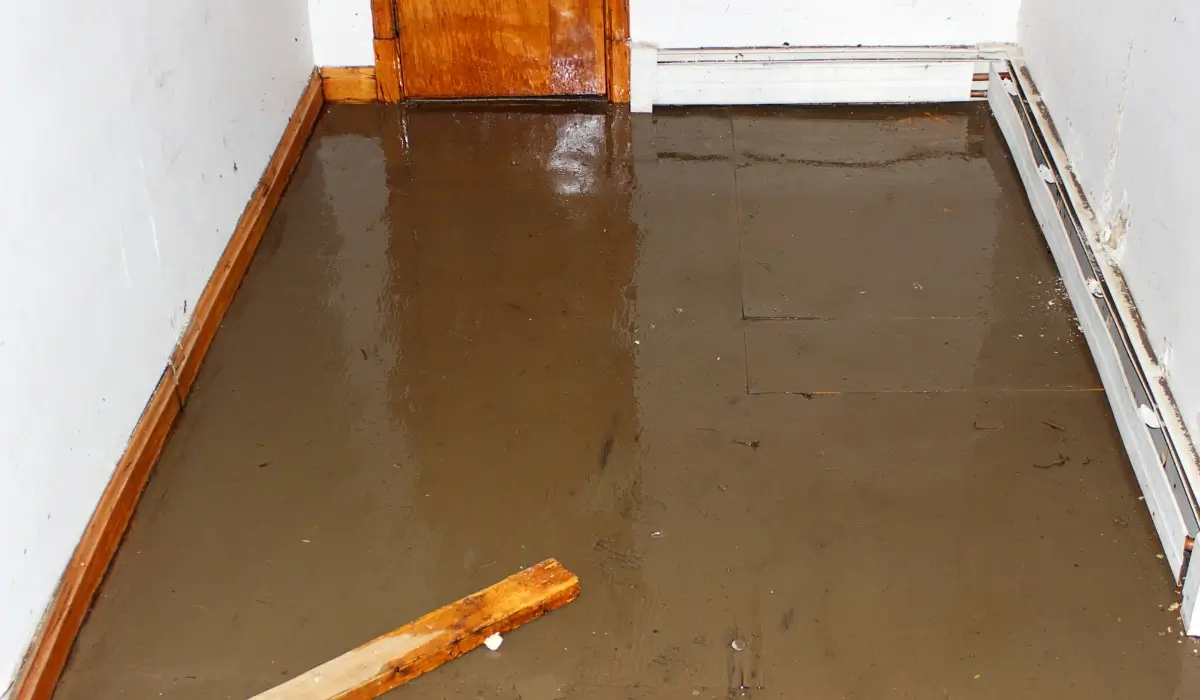
Beyond the financial impact at resale, basement water damage causes real physical harm to your home over time. Water that repeatedly enters through foundation cracks or wall seams puts ongoing hydrostatic pressure on those surfaces, widening cracks and eventually causing walls to bow or shift.
Wood framing and floor joists exposed to prolonged moisture begin to soften and rot, which weakens the floor structure above the basement and can create safety issues that go well beyond cosmetics. According to the U.S. Environmental Protection Agency, mold can begin to grow on surfaces within 24 to 48 hours of moisture exposure, spreading through walls, insulation, and structural materials, affecting the indoor air quality of your entire home, not just the basement.
Each wet season that passes without addressing the source of the problem adds more damage, more mold, and more cost to the eventual repair.
What Buyers and Home Inspectors Are Looking For
If you’re planning to sell, or if you just want to understand the risk, it helps to know what a trained eye looks for when assessing a basement for moisture issues.
Inspectors look for water staining along the base of walls and on the floor, efflorescence on concrete or block surfaces, visible mold or mildew on walls and framing members, rust on metal components like support columns or fasteners, soft or discolored wood joists, and any signs of past patching or repairs that suggest the owner has tried to address water intrusion before. Buyers who know what they’re looking at will find all of this, and their offer will reflect it.
The presence of a sump pump isn’t a red flag on its own. But a sump pump that’s clearly been working hard, surrounded by water staining and rust, tells a story about how much water the space has been managing.
Related: What That Musty Smell in Your Basement Is Really Telling You

Disclosure Laws Add Another Layer of Risk
In Washington state, sellers are required to disclose known material defects, and basement water damage absolutely qualifies. Attempting to cover up water damage without disclosing it isn’t just unethical. It can expose you to legal liability after the sale if the buyer discovers issues that should have been revealed.
That’s a risk no homeowner should take, and it’s one of the reasons addressing water damage before listing is almost always the smarter financial move. A documented, properly repaired water problem is a very different conversation with a buyer than undisclosed damage they discover during inspection.
What You Can Do About It
The good news is that basement water damage is fixable, and addressing it proactively protects both your home and its value. The right solution depends on where the water is coming from and how it’s getting in, which is why a professional assessment is always the right starting point.
Common solutions range from interior drainage systems that capture and redirect water before it can cause damage, to exterior waterproofing that prevents water from reaching your foundation walls in the first place. Crack injection addresses specific entry points in poured concrete walls. Sump pump installation or replacement ensures water that does enter gets removed efficiently. Drainage corrections around the exterior of your home can reduce the volume of water your foundation is managing in the first place.
For crawl space homes, encapsulation seals the space against ground moisture and dramatically reduces the humidity levels that lead to mold, rot, and structural deterioration.
Related: The Homeowner’s Guide to Understanding Waterproofing Options for Your Home

The Cost of Acting Now vs. Waiting
One of the most consistent things we see in this work is that the cost of addressing a water problem early is usually a fraction of the cost of addressing it after it’s had years to compound. A foundation crack that could have been sealed for a few hundred dollars becomes a bowing wall repair that costs several times more. A damp basement that could have been addressed with an interior drainage system becomes a mold remediation and structural repair project.
Beyond the direct repair costs, every wet season you wait is another season of damage to your home’s value, your air quality, and your peace of mind.
At Foundation Restoration, we help homeowners understand exactly what’s happening with moisture in their basement or crawl space and what it’ll take to fix it for good. Don’t let water damage quietly cost you more than it should. Reach out to our team and let’s take a look before the problem gets any bigger.
Reference:
- U.S. Environmental Protection Agency. A Brief Guide to Mold, Moisture, and Your Home. epa.gov. https://www.epa.gov/mold/brief-guide-mold-moisture-and-your-home

Leave A Comment
You must be logged in to post a comment.