

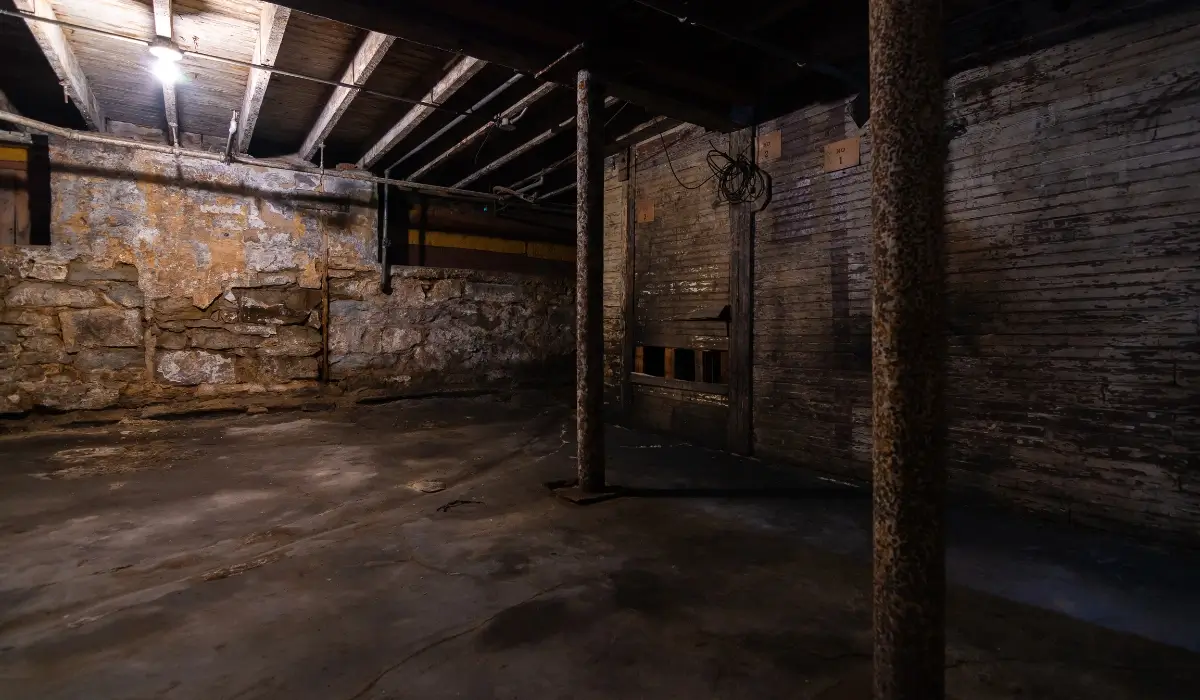
You walk downstairs and it hits you. That damp, earthy, stale odor that just doesn’t seem to go away no matter how many candles you light or how many times you run a dehumidifier.
Most homeowners chalk it up to an “old house smell” and move on. But that musty smell in your basement isn’t something to brush off. It’s your home trying to tell you something important, and ignoring it could cost you significantly down the road.
At Foundation Restoration, we’ve seen firsthand what happens when that smell gets dismissed for months or even years. What starts as an odor turns into a moisture problem, which turns into a structural problem. Here’s what that musty smell is really telling you.
It Means Moisture Is Present, Even If You Cannot See It
The musty odor you are smelling is caused by mold and mildew, and mold only grows in one condition: moisture. If your basement smells musty, there’s moisture present somewhere, whether it’s visible or not. It could be seeping through your foundation walls, rising up through a concrete slab, or accumulating from condensation in a poorly ventilated space.
The absence of standing water does not mean the absence of a problem. In fact, some of the most damaging moisture issues are the ones you can’t see because they’re happening slowly inside your walls, beneath your flooring, or within your crawl space insulation.
It Could Be a Sign of Foundation Cracks or Wall Deterioration
Water doesn’t appear in your basement by accident. It follows a path, and that path is almost always through a crack, gap, or porous section of your foundation. Hairline cracks in concrete walls or floors may seem minor, but they’re open doors for groundwater and soil moisture to enter your home.
Over time, water moving through those cracks erodes the concrete, widens the gaps, and puts hydrostatic pressure on your walls. If you’re smelling mustiness after heavy rain or during wet seasons, that is a strong indicator that your foundation walls are allowing water intrusion. This is not a problem that resolves on its own.
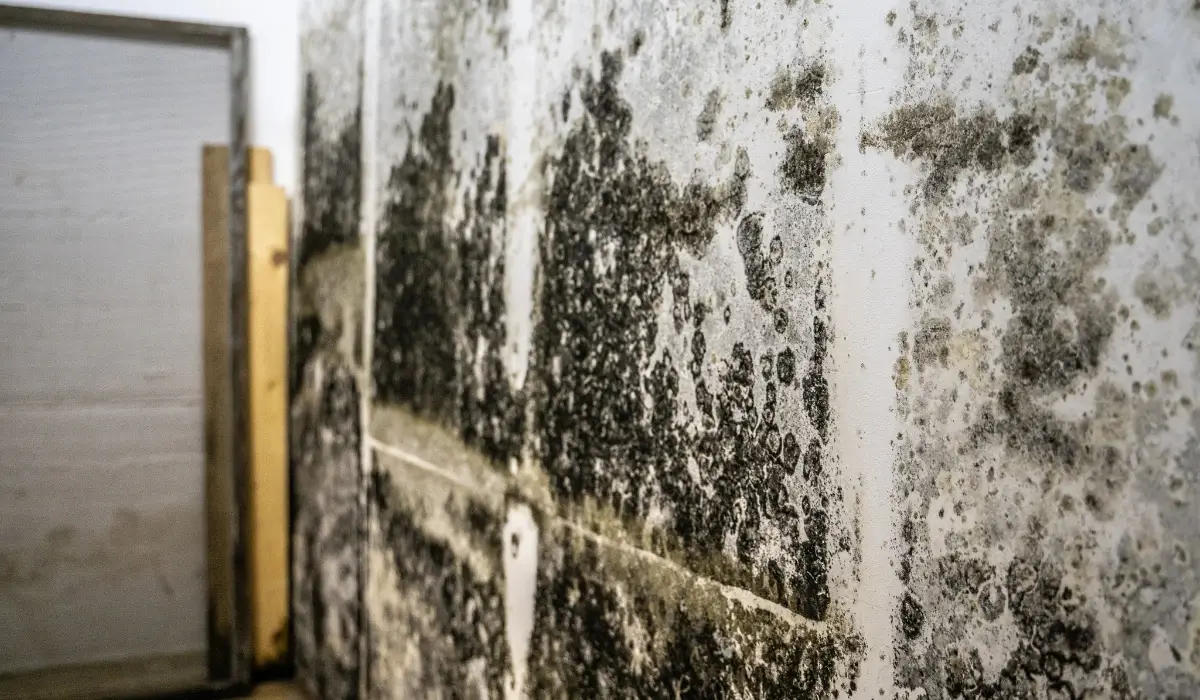
Mold Is Likely Already Growing
By the time you can smell mold, it’s already there. Mold spores are microscopic and begin colonizing surfaces within 24 to 48 hours of moisture exposure. In a basement environment, mold commonly grows behind drywall, on wood framing and joists, inside fiberglass insulation, and on the surface of concrete block walls.
Beyond the structural damage mold causes to wood and building materials, it poses a real health concern for your household. Poor indoor air quality from basement mold can circulate throughout your entire home through your HVAC system, affecting everyone living there, especially those with allergies, asthma, or respiratory sensitivities.
Related: 5 Warning Signs Your Foundation Needs Attention Before It Becomes a Major Problem
Your Crawl Space May Be the Source
If you have a crawl space beneath your home, it could be the origin of that smell even if your basement itself looks dry and clean. Crawl spaces are notorious for trapping moisture, particularly in the Pacific Northwest where ground saturation is common for much of the year.
An unencapsulated or poorly vented crawl space allows ground moisture to evaporate upward into the structure of your home. That moisture feeds mold growth on wood beams and joists, degrades insulation, and creates the perfect environment for wood rot and pest activity. The musty air then rises into your living spaces through gaps in the flooring, making your whole home smell and feel damp.
A professional crawl space inspection can identify whether moisture intrusion, vapor barriers, or drainage issues are contributing to what you are smelling.

It Is a Warning Sign You Should Not Wait On
The longer moisture problems go unaddressed, the more damage accumulates. Wood rot weakens your floor structure. Mold spreads to new surfaces. Foundation cracks widen under continued water pressure. What might’ve been a straightforward waterproofing solution early on can become a full foundation repair and remediation project if left alone through multiple wet seasons.
That musty smell isn’t just unpleasant. It’s a signal that your home needs attention at the foundation level, where the consequences of inaction are the most serious.
What You Should Do Next
If your basement has a persistent musty odor, the right move is to get a professional evaluation before the problem grows. At Foundation Restoration, we assess the full picture, from your foundation walls and drainage conditions to your crawl space and moisture levels, so you understand exactly what is going on and what it takes to fix it.
Don’t wait for the smell to get worse or for visible damage to appear. Contact our team and get ahead of it while the solution is still straightforward.

Leave A Comment
You must be logged in to post a comment.