

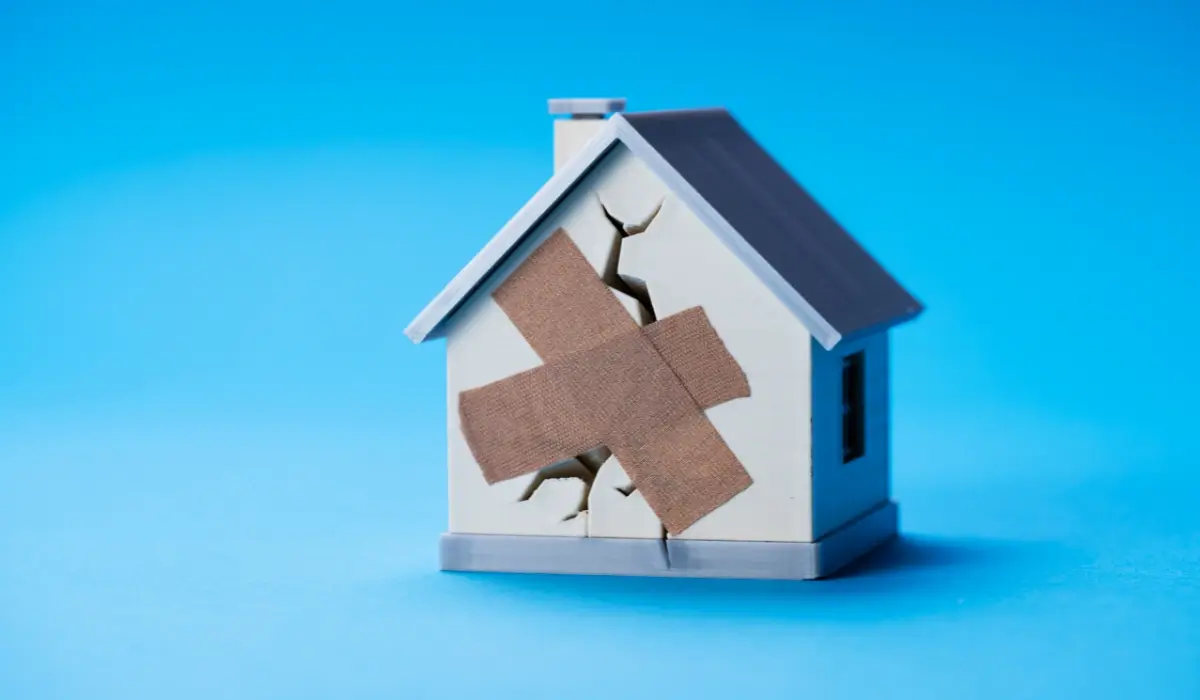
Your home’s foundation is quite literally what everything else rests on. When it starts to fail, the consequences ripple through every wall, floor, and ceiling in your house. The good news? Foundation problems rarely appear overnight. They give you warning signs and if you know what to look for, you can catch them early before a manageable repair turns into a costly nightmare.
At Foundation Restoration, we’ve helped hundreds of homeowners across the Pacific Northwest protect their most valuable investment. Here are five warning signs that your foundation needs professional attention sooner rather than later.
1. Cracks in Your Walls, Floors, or Foundation Itself
Not all cracks are created equal, but any new or growing crack deserves a closer look.
Hairline cracks in drywall from settling are common, but horizontal cracks in your basement walls, stair-step cracks in brick or block, or diagonal cracks running from the corners of windows and doors are red flags. These patterns often indicate that your foundation is shifting, bowing, or under significant pressure from soil movement or water intrusion.
Floor cracks, especially in concrete slabs, can signal settlement or upheaval beneath your home. If you notice a crack that wasn’t there six months ago or one that seems to be widening over time, don’t wait. Document it with photos and get a professional evaluation right away.
2. Doors and Windows That Stick or Won’t Close Properly
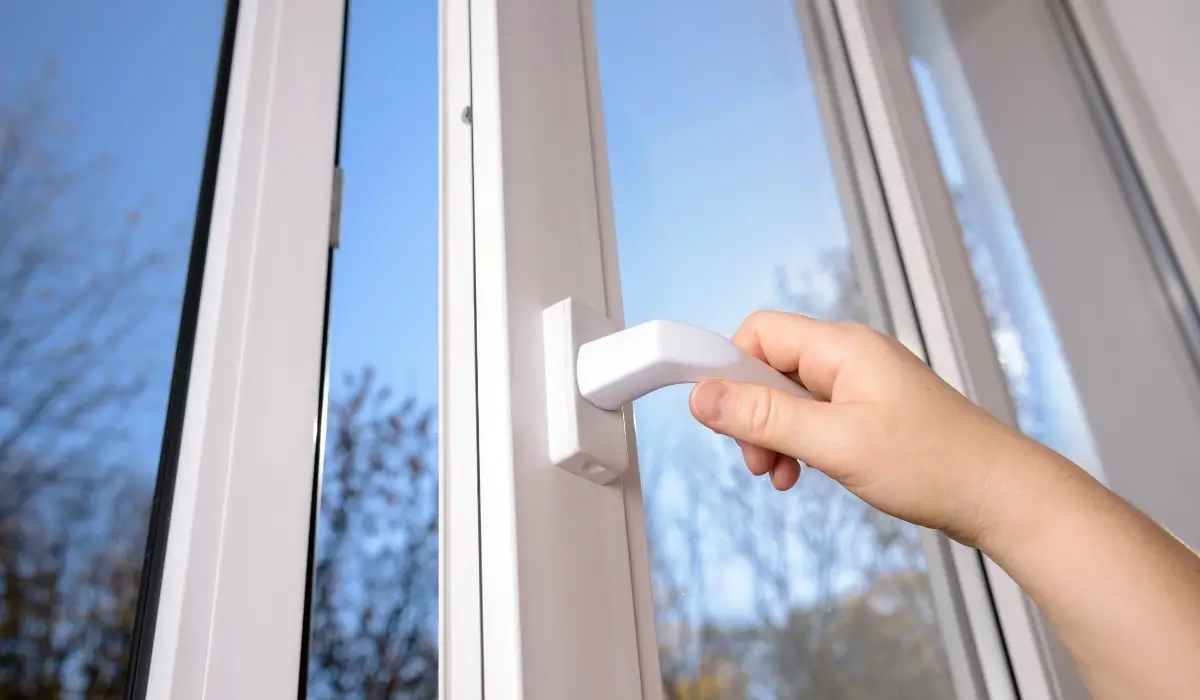
If your doors have started dragging across the floor, or your windows suddenly require extra force to open and shut, your foundation may be shifting.
As a foundation moves (sinking, heaving, or tilting), it pulls the structural framing of your home out of square. This distortion is what causes that frustrating sticking.
This symptom is especially telling when it appears suddenly or in multiple areas of the home at once. One sticking door in an older home might just be humidity. Multiple sticking doors and windows, combined with other signs on this list, paint a much more serious picture.
3. Uneven, Sagging, or Bouncy Floors
Walk slowly through your home and pay attention to how the floor feels underfoot. Do you notice a slope in a room that used to feel level? Are there soft or springy spots in hardwood or tile?
These are signs that the structural supports beneath your floors, whether joists, beams, or the slab itself, may be compromised.
Uneven floors in a crawl space home often point to settling piers or deteriorating wood supports caused by moisture. In slab homes, voids beneath the concrete can cause sections to drop or crack under load. Either way, what starts as a minor annoyance can quickly become a safety hazard and a much more expensive fix if left unaddressed.
4. Water Intrusion, Moisture, or Musty Smells in Your Basement or Crawl Space
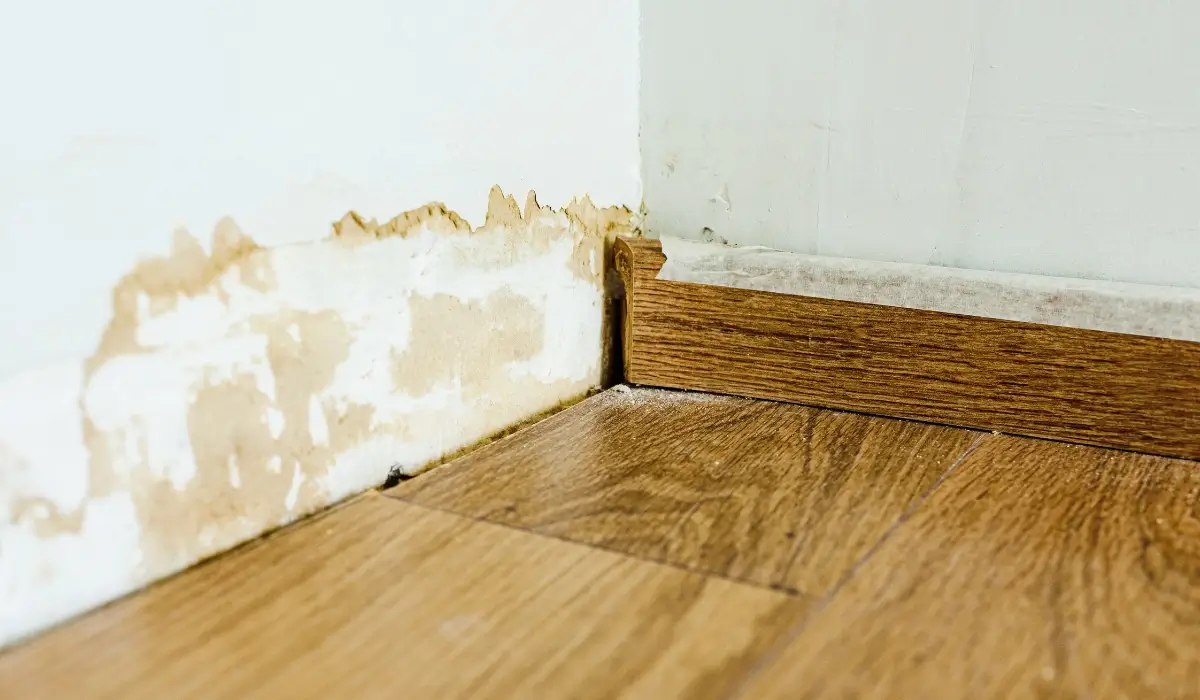
Water and foundations are a dangerous combination. When water consistently pools near your foundation, seeps through basement walls, or collects in your crawl space, it weakens the soil that supports your home and can accelerate concrete deterioration.
Over time, hydrostatic pressure from saturated soil can cause basement walls to bow inward or crack.
A musty smell in your lower level (even if you can’t see standing water) is a warning sign of ongoing moisture problems. Mold and mildew thrive in damp crawl spaces and can compromise both your indoor air quality and your structural wood framing.
If you’re noticing efflorescence (those white chalky mineral deposits on concrete walls), that’s a clear sign water has been moving through your foundation walls.
5. Gaps Between Walls, Ceilings, or Exterior Trim
Take a walk around the outside of your home. Are there gaps opening up between your siding and trim? Is your chimney pulling away from the main structure? Inside, look at where your walls meet the ceiling. Are there visible separations that weren’t there before?
These gaps are a sign that different parts of your home are moving at different rates, which almost always points back to foundation movement. Differential settlement, where one area of your foundation sinks more than another, creates these separations. Left alone, they worsen with every rain cycle, freeze-thaw event, and dry season.

Don’t Wait Until Small Problems Become Big Ones
Foundation issues are like most things in home maintenance: the earlier you catch them, the less expensive and disruptive the repair. A minor crack addressed today is far more affordable than a bowing wall or a sinking slab six months from now.
If you’ve noticed any of these warning signs in your home, the best thing you can do is schedule a professional foundation inspection. At Foundation Restoration, we provide honest, thorough evaluations so you understand exactly what’s happening beneath your home and what your options are.
Contact Foundation Restoration Today
We’re here to help you protect your home from the ground up.
Phone: 360-383-7500
Email: info@foundationrestoration.com or kelsey@foundationrestoration.com
Office Hours: Monday–Friday, 8:00 AM – 5:00 PM
Website: foundationrestoration.com
Don’t ignore the warning signs. Reach out to our team today, we’re ready to help.

Leave A Comment
You must be logged in to post a comment.