

Water is relentless. It finds the smallest crack, follows the path of least resistance, and given enough time, it’ll work its way into your home whether you’re ready for it or not. If you’ve dealt with a damp basement, a wet crawl space, or water stains along your foundation walls, you already know how frustrating and damaging moisture intrusion can be.
The good news is that waterproofing works. The challenge for most homeowners is figuring out which option is right for their situation, because there isn’t a one size fits all solution. At Foundation Restoration, we believe an informed homeowner makes better decisions, so here’s a straightforward breakdown of the most common waterproofing options and when each one makes sense.
Interior Waterproofing Systems
Interior waterproofing doesn’t stop water from entering your foundation, but it manages water once it gets in and directs it safely out of your home. It’s one of the most common and cost effective approaches for basements that experience water intrusion.
The core of an interior system is a drainage channel, typically installed along the perimeter of your basement floor at the base of the walls. Water that seeps through the walls or up through the floor is captured by this channel and directed to a sump pit, where a sump pump pushes it out and away from your home.
Interior waterproofing is a strong choice when exterior excavation isn’t practical, when water is coming in from multiple entry points, or when you need a reliable long term management solution. It’s also generally less disruptive and less expensive than full exterior waterproofing.
Related: Why Are My Floors Uneven? Common Causes and What to Do About It
Exterior Waterproofing
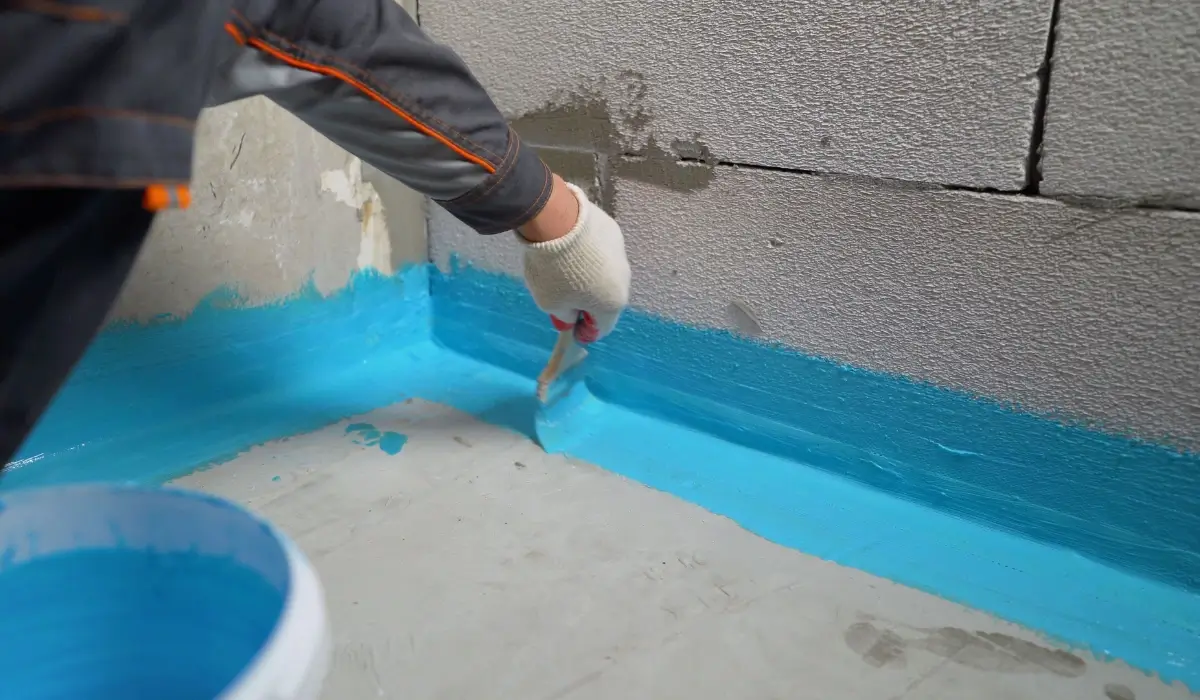
Exterior waterproofing addresses the problem at its source by preventing water from reaching your foundation walls in the first place. This involves excavating the soil around the outside of your home down to the footing, applying a waterproof membrane or coating to the exterior of your foundation walls, and installing a drainage system that redirects groundwater away before it can build up pressure against your foundation.
Because it requires significant excavation, exterior waterproofing is a more involved and expensive process. But it’s also the most thorough approach, especially for homes with serious hydrostatic pressure issues, visible exterior wall deterioration, or foundations that haven’t been waterproofed since they were built.
If you’re dealing with significant water intrusion or structural concerns related to moisture, exterior waterproofing may be the right investment for your home’s long term health.
Crawl Space Encapsulation
If your home has a crawl space, waterproofing looks a little different. Crawl spaces are particularly vulnerable to ground moisture, and a traditional vented crawl space actually invites humid outside air in, which condenses on cool surfaces and creates the perfect conditions for mold, wood rot, and pest activity.
Crawl space encapsulation seals the entire crawl space with a heavy duty vapor barrier across the floor and up the walls, essentially turning it into a sealed, conditioned space. Combined with a dehumidifier and proper drainage if needed, encapsulation dramatically reduces moisture levels, protects your wood structure, and improves the air quality throughout your home.
It’s one of the most impactful improvements you can make to a home with a crawl space, and it’s often the missing piece for homeowners who’ve struggled with persistent musty smells, soft floors, or high humidity levels. Learn more about crawl space solutions and whether encapsulation is right for your home.
Related: What That Musty Smell in Your Basement Is Really Telling You
Sump Pump Systems
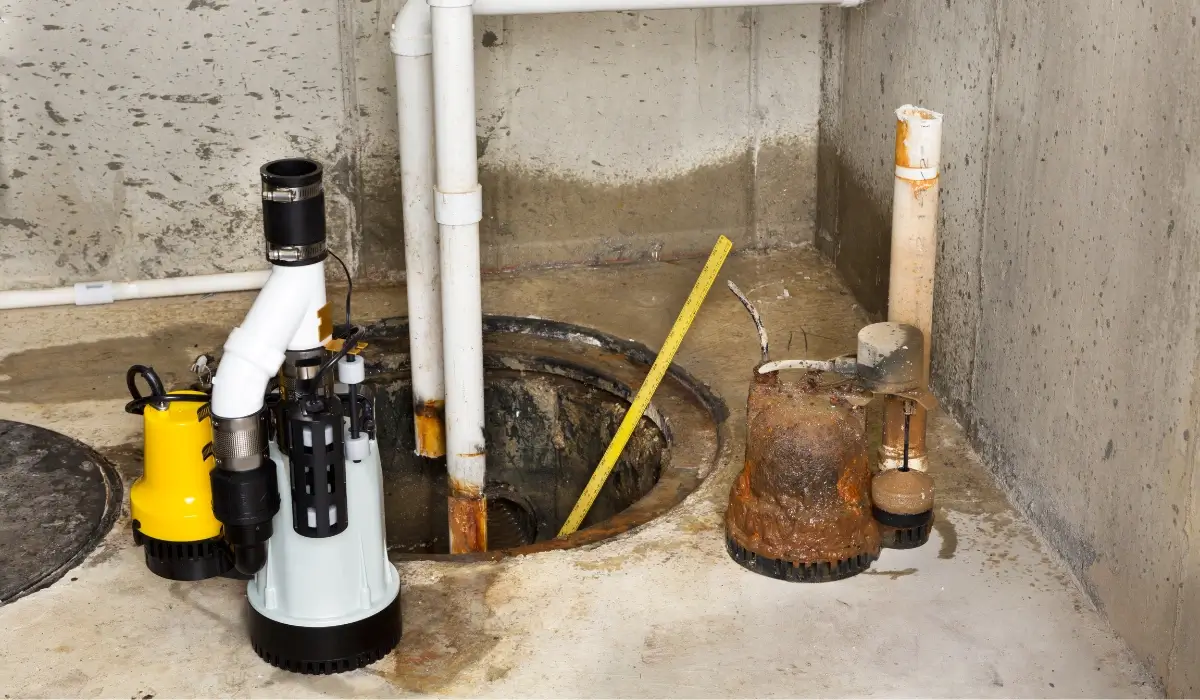
No interior waterproofing system is complete without a reliable sump pump. A sump pump sits in a pit at the lowest point of your basement or crawl space and automatically activates when water reaches a certain level, pumping it out through a discharge line that routes it away from your foundation.
There are two main types: pedestal pumps, which sit above the water and are easier to service, and submersible pumps, which sit inside the pit and tend to be quieter and more powerful. For homes in areas with heavy rainfall or high water tables, a battery backup sump pump is a smart addition so you’re protected even during a power outage, which often happens right when you need it most during a major storm.
Drainage Corrections and Grading
Sometimes the best place to start with waterproofing isn’t inside your home at all. It’s outside. How water moves across your yard and around your foundation has a massive impact on how much moisture pressure your foundation is under.
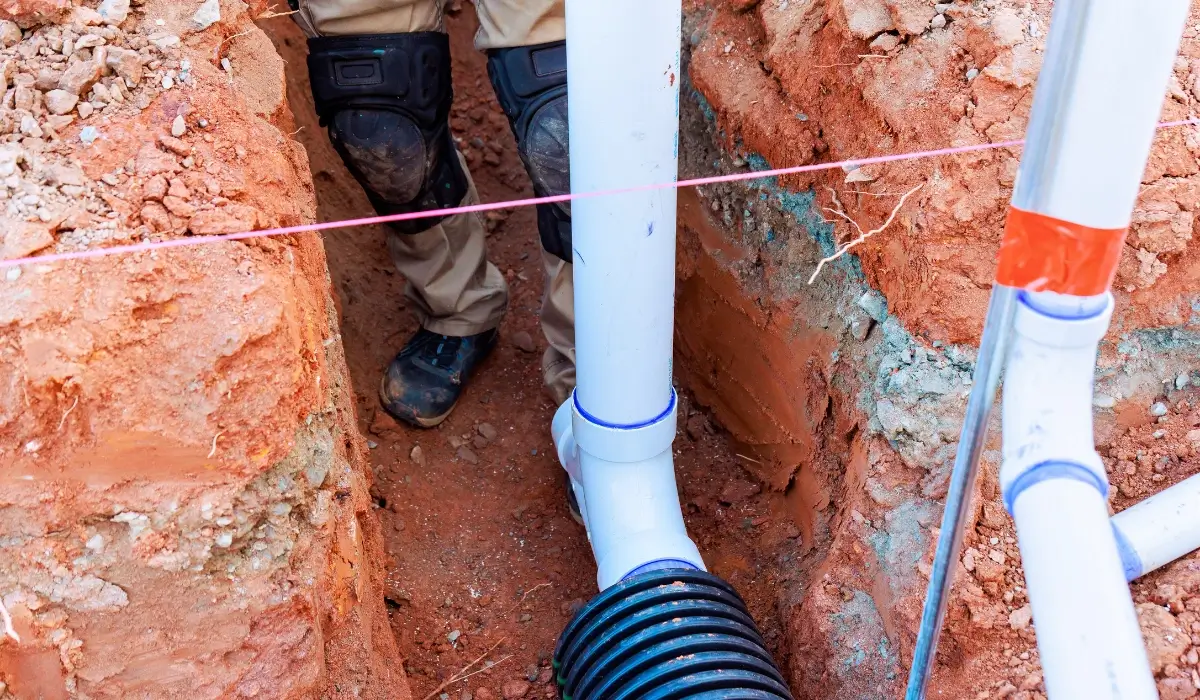
If your yard slopes toward your home, water naturally collects against your foundation every time it rains. Correcting the grading so water flows away from the house, extending downspouts so they discharge further from the foundation, and addressing any low spots where water pools can all significantly reduce the load on your waterproofing systems.
These drainage corrections aren’t always the complete solution on their own, but they’re almost always part of a complete waterproofing plan.
Related: 5 Warning Signs Your Foundation Needs Attention Before It Becomes a Major Problem
How to Know Which Option Is Right for You
The right waterproofing solution depends on where your water is coming from, how much of it there is, the type of foundation you have, and the conditions of the soil and drainage around your home. That’s why a professional evaluation matters so much before committing to any approach.
At Foundation Restoration, we don’t believe in selling you more than you need. We’ll assess your specific situation and recommend the solution that actually addresses the source of your problem so you’re not dealing with the same issues again next season. Reach out to our team today and let’s talk about what waterproofing option makes the most sense for your home.

Leave A Comment
You must be logged in to post a comment.