

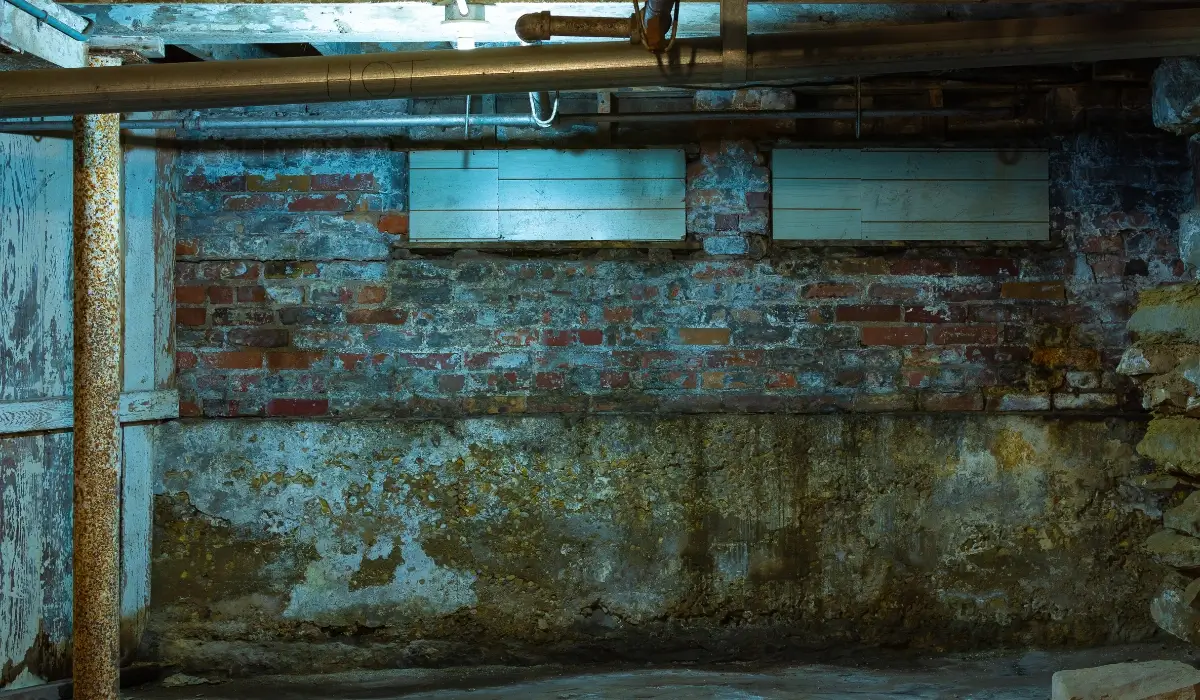
There’s a difference between a crack you patch and forget about and a wall that’s visibly curving inward. If you’ve walked into your basement and noticed that a section of wall isn’t quite straight anymore, that it seems to bulge toward you somewhere in the middle, you’re looking at one of the more serious structural issues a home can develop.
Bowing basement walls aren’t something to wait on. At Foundation Restoration, we want homeowners to understand exactly what causes this kind of damage, how serious it actually is, and what your options look like once it’s happening. Here’s the full picture.
What’s Really Happening When a Wall Bows
A bowing basement wall is exactly what it sounds like. Instead of standing straight and vertical, the wall has begun to curve inward, usually most noticeably at the midpoint between the floor and ceiling. This happens because forces from outside the wall are pushing against it harder than the wall and its surrounding structure can resist.
In a healthy foundation, the wall, the footing beneath it, and the floor framing above it work together to resist outside pressure. When that balance breaks down, usually because the outside pressure has increased or the wall material has weakened, the wall begins to give. Bowing is the visible sign that this resistance is failing.
The Main Cause: Hydrostatic Pressure
The leading cause of bowing basement walls is hydrostatic pressure, which is the force that water exerts when it builds up in the soil surrounding your foundation. When soil around your home becomes saturated, whether from heavy rainfall, poor drainage, or a high water table, it expands and pushes against whatever it’s in contact with. For a basement wall, that means constant, sustained pressure pushing inward.
Concrete and block walls are strong against forces that compress them but much weaker against forces that push them sideways. As hydrostatic pressure builds season after season, it slowly works the wall inward, typically beginning with cracking along horizontal mortar joints in block walls or horizontal cracks in poured concrete, and progressing to visible bowing if the pressure continues unaddressed.
Related: How Water Damage in Your Basement Can Affect Your Home’s Value and What to Do About It
Expansive Soils Make It Worse
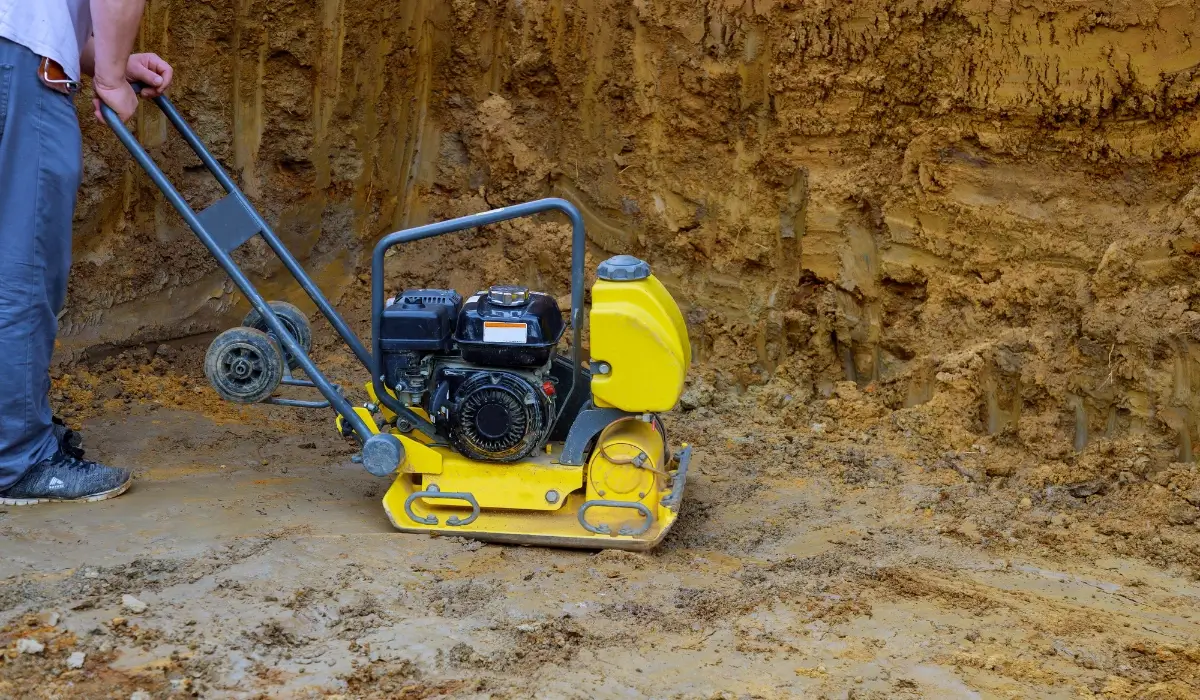
Hydrostatic pressure is only part of the story. The type of soil around your home plays a major role in how much pressure your foundation has to withstand. Clay rich soils, which are common throughout much of the country including parts of the Pacific Northwest, are known as expansive soils because they swell significantly when they absorb water and shrink when they dry out.
This isn’t a minor or rare issue. The American Society of Civil Engineers estimates that roughly one in four homes in the United States has experienced some degree of damage caused by expansive soils, and that the combined annual cost of this damage regularly exceeds what’s caused by earthquakes, floods, hurricanes, and tornadoes put together. Expansive soils are recognized as one of the most underappreciated hazards homeowners face, precisely because the damage happens slowly rather than in a single dramatic event.
When expansive soil repeatedly swells against your foundation wall during wet periods and then contracts during dry ones, the cumulative effect over years is increased stress, widening cracks, and progressive bowing.
Freeze Thaw Cycles Add to the Pressure
In colder periods, water trapped in the soil near your foundation can freeze and expand, pushing against the wall with even greater force than saturated soil alone. When the ice thaws, the pressure releases, but the wall doesn’t snap back to its original position. Each freeze thaw cycle pushes the wall a little further than it was before, and over many cycles, that incremental movement adds up to measurable bowing.
Poor Drainage Is Often the Root Cause
While hydrostatic pressure and expansive soils are the direct forces at work, poor drainage around your home is frequently what allows those forces to build up in the first place. Clogged or poorly positioned gutters, downspouts that discharge too close to the foundation, and yard grading that slopes toward the house instead of away from it all contribute to water collecting and saturating the soil right where you don’t want it.
Correcting these drainage issues won’t undo bowing that’s already occurred, but it’s an essential part of preventing the problem from getting worse and a critical component of any long term repair plan.
Related: What Causes Cracks in Walls and Ceilings and When Should You Worry
How Serious Is a Bowing Wall, Really
This is the question most homeowners want answered, and the honest answer is that it depends on the degree of bowing, but it should always be taken seriously. A wall that shows slight, early stage bowing is a problem that’s much easier and more affordable to address than one that’s progressed further. Left unaddressed, bowing walls continue to worsen as the underlying pressure keeps building.
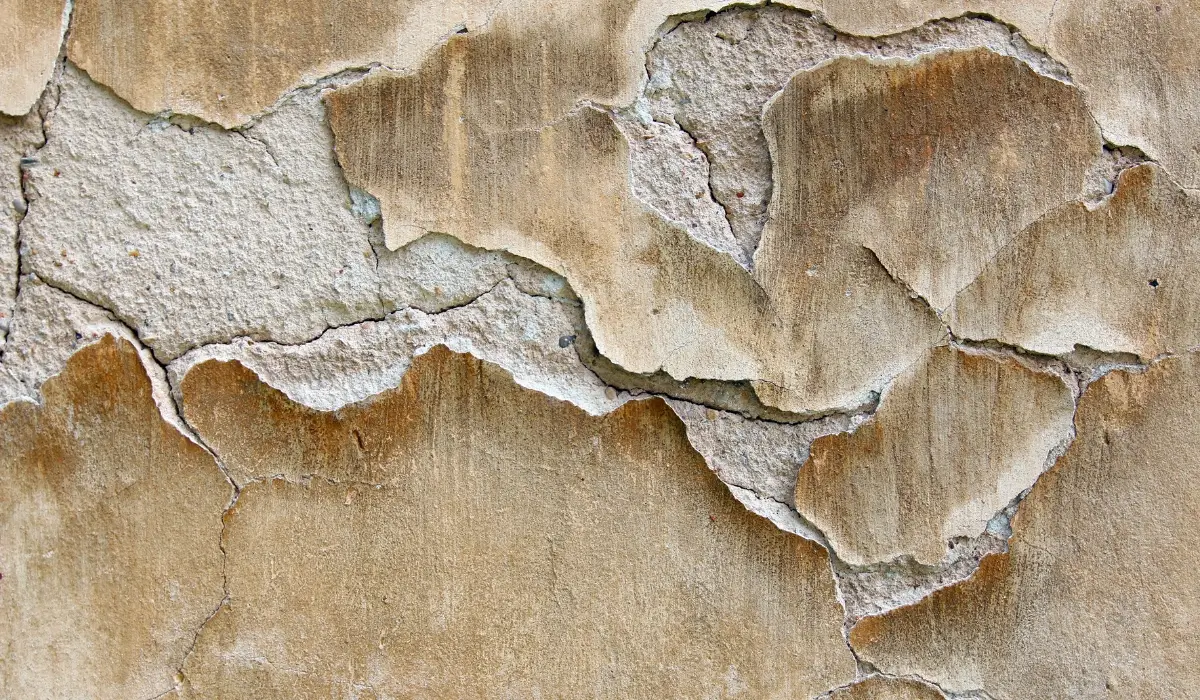
In more advanced cases, the structural integrity of the wall becomes seriously compromised. Continued bowing can lead to cracking that allows significant water intrusion, further weakening of the concrete or block material, and in the most severe and prolonged cases, complete wall failure. A wall that’s failed structurally is no longer just a water and moisture problem. It’s a safety issue for everyone living in the home.
This is exactly why bowing walls shouldn’t be treated as a wait and see situation. The earlier the intervention, the more options you have and the less invasive and costly the repair tends to be.
What Repair Options Look Like
The right repair approach depends on how much the wall has bowed and what’s driving the pressure behind it. Early stage bowing can often be addressed with carbon fiber reinforcement strips, which stabilize the wall and prevent further movement without requiring excavation. More significant bowing typically requires wall anchors or a steel bracing system, both of which apply counteracting force to stop the inward movement and, in some cases, gradually help straighten the wall back toward its original position over time.
In every case, addressing the source of the pressure matters just as much as reinforcing the wall itself. That often means improving exterior drainage, correcting yard grading, or installing an interior drainage system to manage water before it builds up against the foundation again.
Related: The Difference Between Cosmetic Cracks and Structural Cracks in Your Home
Don’t Wait for the Wall to Tell You It’s an Emergency
A bowing wall rarely announces itself loudly. It starts subtly, a slight curve you might not notice unless you’re looking for it, a crack along a horizontal mortar joint that seems minor. By the time the bowing is obvious to the naked eye, the wall has typically been under stress for a long time already.
If you’ve noticed any curvature in your basement walls, any horizontal cracking, or any of the warning signs that often accompany hydrostatic pressure, it’s worth getting a professional foundation evaluation sooner rather than later. The difference between catching this early and catching it late can mean the difference between a straightforward reinforcement and a much more extensive structural repair.
At Foundation Restoration, we’ll assess exactly what’s happening with your basement walls and walk you through what it’ll take to stabilize them for good. Reach out to our team and let’s take a look before a manageable problem becomes a serious one.
Reference:
- American Society of Civil Engineers, as cited in Geology.com. Expansive Soil Causes Basement & Foundation Problems. geology.com. https://geology.com/articles/expansive-soil.shtml

Leave A Comment
You must be logged in to post a comment.