

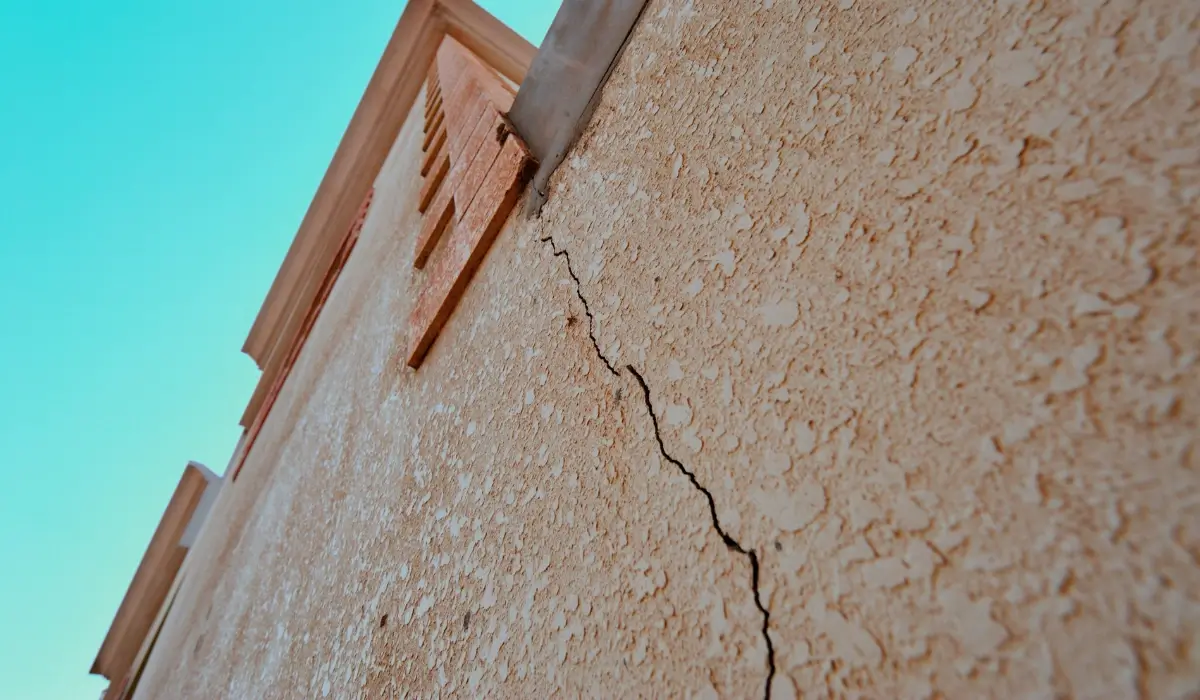
Cracks in your walls, ceilings, and foundation are one of the most common things homeowners worry about, and also one of the most misunderstood. The concern is understandable. A crack is a visible sign that something in your home has changed, and it’s hard to know without expertise whether you’re looking at a minor cosmetic flaw or an early warning of something much more serious.
Here’s the honest truth: most cracks aren’t emergencies. But some are, and knowing the difference is very valuable for a homeowner. At Foundation Restoration, we look at cracks every single day. Here’s how we think about them and what you should be watching for.
What Makes a Crack Cosmetic
A cosmetic crack is a surface level imperfection. It’s in the finishing material of your home, whether that’s drywall, plaster, paint, or stucco, and it doesn’t reflect any meaningful movement in the underlying structure. Cosmetic cracks are typically the result of normal material behavior over time: drywall tape aging and separating at seams, paint shrinking and cracking as it dries, plaster shifting slightly with seasonal humidity changes, or minor settling that happens in the first few years of a home’s life.
These cracks tend to be thin (often no wider than a hairline) and shallow. They don’t change much over time and they aren’t accompanied by other symptoms. A fine crack running along a ceiling seam, a small split where two walls meet at a corner, or a patch of cracked paint above a window that’s been there for years without growing are all examples of cracks that are almost certainly cosmetic.
The appropriate response to a cosmetic crack is to patch it, paint over it, and keep an eye on it. If it doesn’t change, you don’t have anything to worry about.
What Makes a Crack Structural
A structural crack is different in a fundamental way: it reflects actual movement in your home’s structure or foundation. It isn’t just the finishing material reacting to humidity or age. It’s the walls, the concrete, or the foundation itself telling you that forces have been at work beneath the surface.
Structural cracks tend to have certain characteristics that set them apart. They’re wider, often exceeding a quarter inch. The U.S. Environmental Protection Agency also notes that cracks allowing moisture intrusion are a key entry point for mold and structural deterioration, making it important to distinguish between surface level flaws and cracks that are allowing water into your home’s structure.
They may show displacement, meaning one side of the crack sits higher or further out than the other. They run in patterns that suggest structural stress, like diagonal lines from the corners of doors and windows, horizontal lines across basement walls, or stair step patterns in brick or block. They also tend to grow or change over time rather than staying stable.
Structural cracks rarely appear alone. They usually show up alongside other symptoms like sticking doors, uneven floors, gaps between walls and ceilings, or moisture intrusion. When you see a crack along with any of those companions, the combination is what makes the picture clear.
Related: Sticking Doors and Windows: Is It Just an Old House or a Foundation Issue
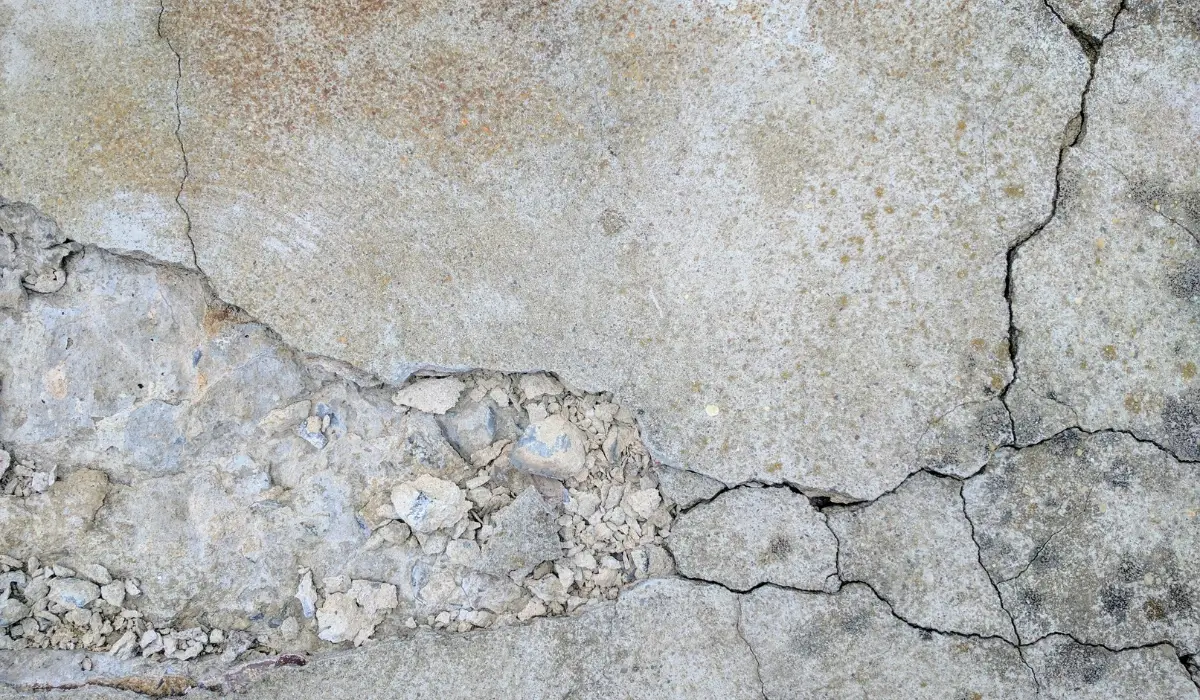
Crack Patterns and What They Mean
Understanding the direction and pattern of a crack gives you a lot of information before any professional even shows up.
- Vertical cracks in poured concrete foundation walls are often the result of concrete curing and minor settling. A thin, stable vertical crack that isn’t leaking and hasn’t changed is frequently cosmetic in nature, though it’s worth monitoring and sealing to prevent water entry.
- Diagonal cracks, especially those radiating from the corners of windows and door frames at roughly a 45 degree angle, are one of the clearest indicators of differential settlement. When a foundation sinks unevenly, it distorts the structural frame above it, and that stress concentrates at the corners of openings. These aren’t cracks you patch and forget.
- Horizontal cracks in basement walls are among the most serious cracks a homeowner can find. They indicate that the soil outside the wall is exerting lateral pressure against it, and the wall has begun to give way. A horizontal crack means the wall is under active stress, and without intervention, it can progress to bowing or even partial failure. This isn’t a cosmetic issue under any circumstance.
- Stair step cracks in brick or concrete block follow the mortar joints in a diagonal staircase pattern. They’re a reliable sign of differential settlement and are commonly seen on exterior walls or in block foundation walls. Like diagonal cracks in drywall, they point to uneven movement in the foundation.
- Ceiling cracks along a single seam are usually cosmetic. Wide cracks, cracks that run across the middle of a ceiling, or cracks accompanied by sagging or bowing are more concerning and deserve a closer look.
Related: What Causes Cracks in Walls and Ceilings and When Should You Worry

The Most Important Questions to Ask About Any Crack
When you find a crack, there are four questions worth asking yourself before deciding how to respond.
- Is it growing? A crack that stays the same size for years is very different from one that’s expanded noticeably over a few months. Mark the ends of a crack with a pencil and date it if you aren’t sure. If it grows, that’s meaningful.
- Is it wider than a quarter inch? Width is one of the most reliable indicators of severity. Hairline cracks are generally cosmetic. Cracks wide enough to fit a coin into warrant professional evaluation.
- Is it accompanied by other symptoms? A crack on its own, especially a stable one in drywall, is rarely urgent. A crack that comes with sticking doors, sloping floors, or water intrusion is part of a pattern that needs a professional foundation assessment.
- Is it in a critical location? A hairline crack in a second floor hallway ceiling is very different from a horizontal crack in a basement wall. Location and context matter enormously.
Related: 5 Warning Signs Your Foundation Needs Attention Before It Becomes a Major Problem
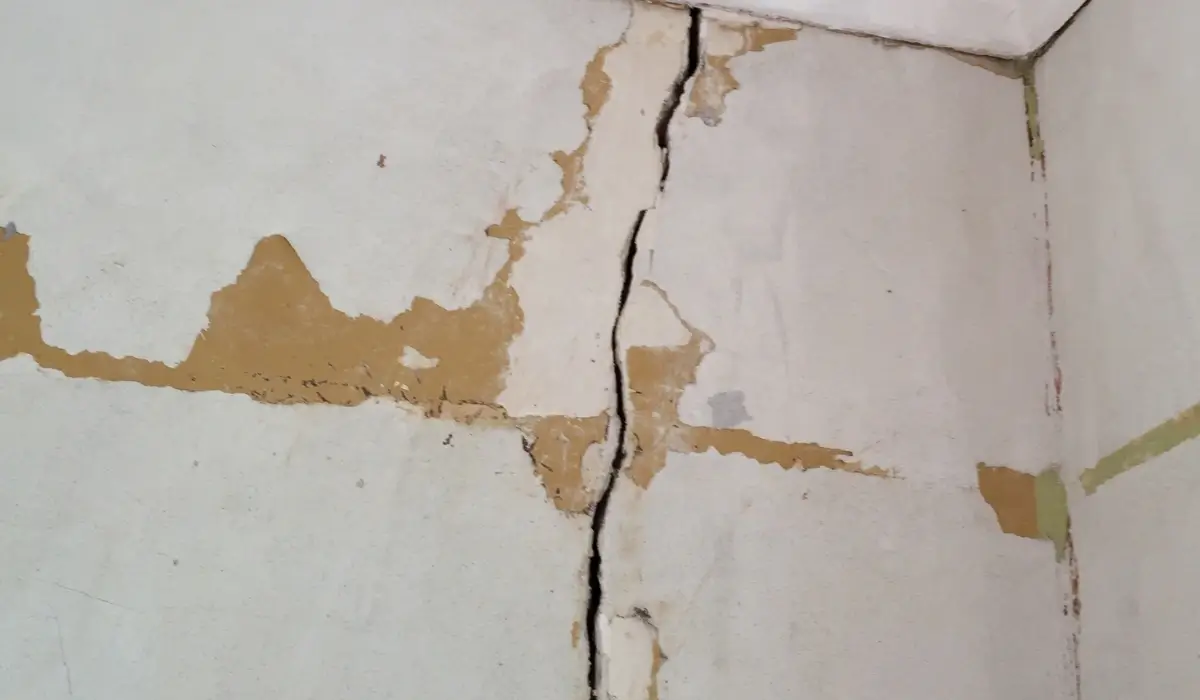
Don’t Let a Patch Job Become a Missed Warning
One of the most common ways a manageable foundation problem turns into a major one is that the early symptoms get covered up rather than investigated. A homeowner notices a diagonal crack near a door, patches it, and moves on. Six months later, the crack is back and wider. A year after that, the door stops closing entirely and there are now gaps opening up along the ceiling.
Covering a cosmetic crack is fine. Covering a structural crack without understanding what’s behind it is a way of letting a problem grow in silence.
If you aren’t confident about what you’re looking at, getting a professional opinion costs you nothing but a little time and gives you the information you need to make a smart decision.
At Foundation Restoration, we’ll give you a straight answer about what your cracks mean and what, if anything, needs to be done about them. No unnecessary alarm, no selling you on repairs you don’t need. Just an honest assessment from people who’ve seen every kind of crack there is. Reach out to our team and let’s take a look together.
Reference:
- U.S. Environmental Protection Agency. A Brief Guide to Mold, Moisture, and Your Home. epa.gov. https://www.epa.gov/mold/brief-guide-mold-moisture-and-your-home

Leave A Comment
You must be logged in to post a comment.