

Why Your Garage Floor Is Sinking and How to Fix It Before It Gets Worse
Most homeowners don't spend a lot of time thinking about their garage floor. It holds the car, collects a little oil, and gets swept out occasionally. But when that floor starts to crack, slope, or visibly sink in one area, it stops being easy to ignore. And the longer it goes unaddressed, the more expensive and complicated the fix becomes.
A sinking garage floor isn't just an eyesore or a trip hazard. It's a sign that something has changed beneath the concrete, and in some cases, it's connected to the same forces affecting the rest of your home's foundation. At Foundation Restoration, we assess sinking concrete slabs as part of our broader foundation and structural work. Here's what causes garage floors to sink and what your options are for fixing it.
What's Happening Beneath the Concrete
Your garage floor is a concrete slab that was poured on top of compacted soil. That soil is what gives the slab its support. When the soil beneath it shifts, erodes, compresses, or loses volume, the slab loses its footing and begins to sink, crack, or tilt.
The slab itself isn't usually the problem. The problem is almost always the ground beneath it. Because that ground is invisible until something goes wrong, many homeowners are caught off guard when a floor they've walked across for years suddenly starts showing signs of movement.
The Most Common Causes of a Sinking Garage Floor
Poor soil compaction at the time of construction is one of the leading causes of garage floor settlement. When a garage is built, soil is placed and graded beneath the slab before the concrete is poured. If that soil wasn't properly compacted in controlled layers, it continues to compress under the weight of the slab over the years that follow. This is especially common in homes built during periods of rapid development where construction timelines were tight.
Soil erosion from poor drainage is another major contributor. When water consistently flows toward your garage rather than away from it, it carries soil particles away from beneath the slab over time. Gutters that discharge too close to the garage, poor yard grading, and clogged drains all create conditions where water is washing away the support your floor depends on. As the voids beneath the slab grow, the concrete above them sinks or cracks under its own weight.
Expansive clay soils shrink significantly when they dry out and swell as they absorb moisture. In the Pacific Northwest, where soils cycle through extended wet periods followed by drier summers, repeated expansion and contraction creates ongoing stress beneath concrete slabs. When clay soil shrinks away from the underside of a slab during a dry period, it leaves a gap. When it re-wets and expands, it doesn't always fully recover. Each seasonal cycle can ratchet the effective soil level a little lower, gradually producing slab settlement over years.
Plumbing leaks beneath the slab are less common but can cause dramatic and rapid soil erosion. A slow leak from a water line or drain pipe running beneath your garage floor can wash away soil continuously, creating large voids in a relatively short period of time. If your floor has sunk quickly or in a very localized area, a plumbing issue is worth ruling out.
Related: French Drains vs Sump Pumps: Which Solution Is Right for Your Home
Warning Signs You Shouldn't Ignore
The earlier you catch a sinking garage floor, the more options you have. Here's what to watch for:
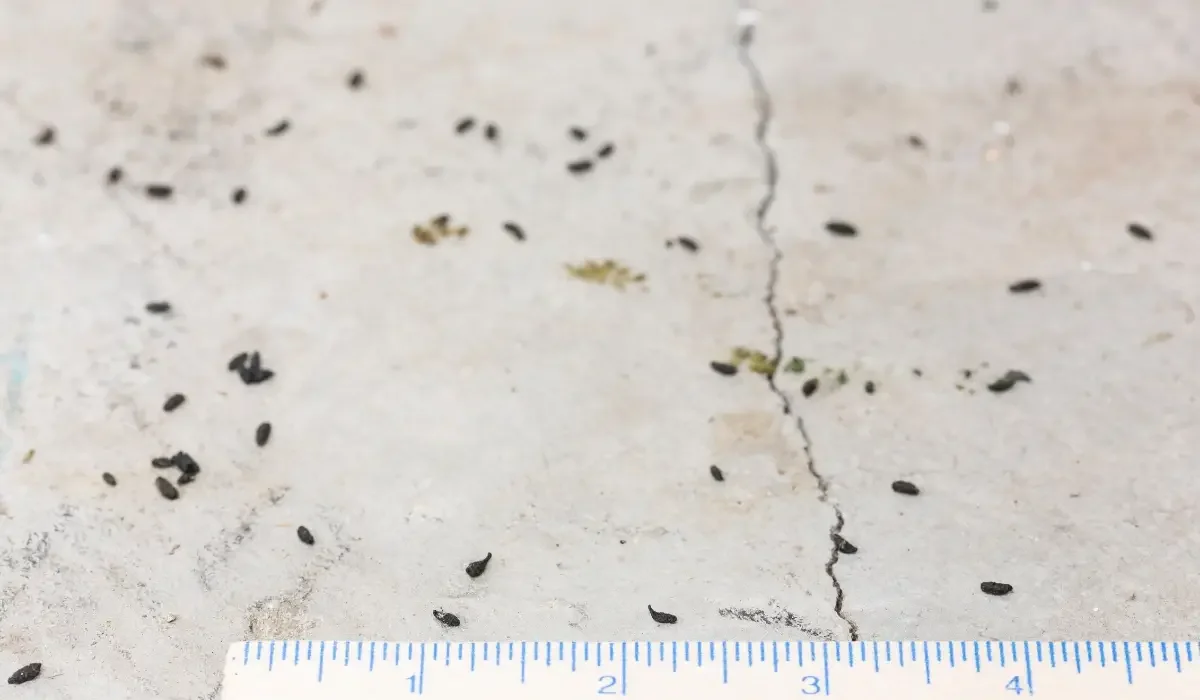
Visible cracks in the concrete that are wider than a hairline, especially cracks where one side sits higher than the other, are a clear sign of differential settlement beneath the slab.
A floor that slopes noticeably toward the garage door, toward the walls, or in a particular corner is showing uneven soil movement.
Low spots where water collects after rain suggests the surface has dropped in that area.
Gaps opening up between the floor and the walls, or between the floor and the garage door frame, indicate the slab is moving relative to the surrounding structure.
Sticking or misaligned garage doors that used to open smoothly are sometimes the result of a floor that's no longer level.
According to InterNACHI, the International Association of Certified Home Inspectors, inspectors look specifically for settlement, cracking, and moisture evidence when evaluating concrete slabs, because these conditions often indicate ongoing movement that'll worsen without intervention.
How a Sinking Garage Floor Gets Fixed
The right repair depends on what's causing the sinking and how far the floor has dropped.
Polyurethane foam injection, sometimes called slabjacking or foam lifting, is one of the most effective and least invasive approaches for garage floors that have sunk due to voids or eroded soil beneath them. Small holes are drilled through the slab, and a two part expanding foam is injected underneath. As the foam expands, it fills the voids, stabilizes the soil, and gently lifts the slab back toward its original position. The foam sets quickly and the area is usually accessible again within hours. It's significantly less expensive and disruptive than slab replacement and addresses the cause of the problem rather than just the surface.
Mudjacking, an older version of the same concept, uses a cement based slurry instead of foam. It accomplishes similar results for some situations, though the foam approach is generally preferred for its lighter weight and faster cure time.
Helical or push piers become the right answer when the sinking isn't just about voids and eroded soil but about deeper foundation instability. If your garage floor is connected to your home's foundation structure rather than being a freestanding floating slab, foundation movement can cause floor settlement that requires a different approach. Piers driven to stable soil or bedrock can support and stabilize the structure from below.
Full slab replacement is sometimes necessary when a slab is too cracked, too damaged, or too far out of position to be lifted and stabilized. It's the most expensive option and is typically a last resort when other methods aren't viable.
Related: Why Are My Floors Uneven? Common Causes and What to Do About It
Why Fixing the Drainage Matters as Much as Fixing the Floor
Lifting or stabilizing a sinking garage floor without addressing the drainage conditions that caused the problem in the first place is a temporary fix. The same erosion and soil movement that caused the original sinking will continue if water is still flowing toward the slab and washing away the supporting soil.
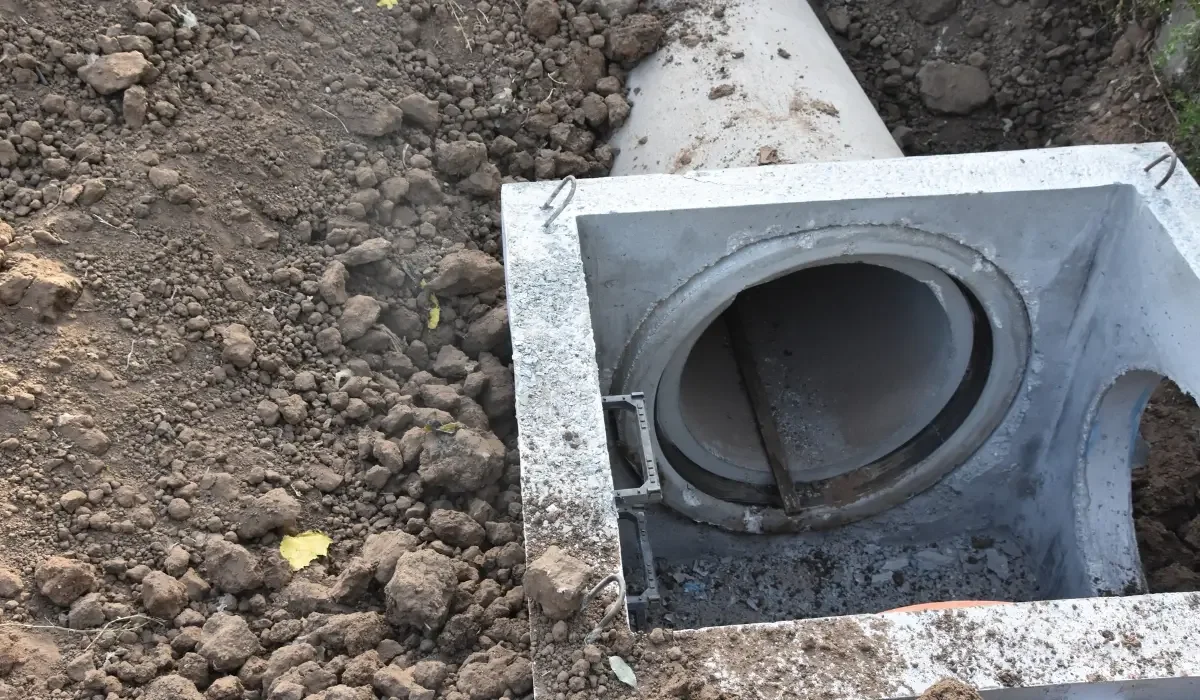
Before any slab repair is completed, the drainage around the garage should be evaluated. Downspouts should discharge well away from the garage foundation. The yard should slope away from the structure. And any conditions that allow water to pond near or beneath the garage floor need to be corrected as part of the overall solution.
Related: 5 Warning Signs Your Foundation Needs Attention Before It Becomes a Major Problem
Don't Wait for a Small Problem to Become a Large One
A garage floor that's just starting to crack or settle is a very different and much more affordable repair than one that's dropped several inches and developed major voids beneath it. The concrete slab isn't going to fix itself, and the soil issues driving the movement will continue through every wet season.If your garage floor is showing any of the warning signs mentioned here, getting a professional assessment is the right next step.
At Foundation Restoration, we'll evaluate what's happening beneath your slab and give you a clear picture of your options so you can make an informed decision before the problem gets ahead of you. Reach out to our team today and let's take a look.
Reference:
InterNACHI (International Association of Certified Home Inspectors). Concrete Slab Curl. nachi.org. https://www.nachi.org/gallery/settlement-and-cracks/concrete-slab-curl