

French Drains vs Sump Pumps: Which Solution Is Right for Your Home
If you've been dealing with a wet basement, water pooling in your yard, or moisture creeping into your crawl space, you've probably come across two solutions that get mentioned constantly: French drains and sump pumps. They both deal with water. They're both commonly recommended for homes with drainage or moisture problems. And they're frequently talked about as if they're interchangeable.
They aren't. These two systems do fundamentally different jobs, and choosing the wrong one for your situation means spending money without actually solving your problem. At Foundation Restoration, we help homeowners understand which solution fits their specific water problem before any work begins. Here's a clear breakdown of how each system works and when each one makes sense.
What a French Drain Actually Does
A French drain is a passive system. It doesn't use electricity or any moving parts. Instead, it works by intercepting groundwater or surface water before it reaches a problem area and redirecting it somewhere it can drain safely away from your home.
The system itself is fairly straightforward: a trench is dug in the path of water movement, lined with a geotextile fabric to prevent soil from clogging the system, filled with gravel, and fitted with a perforated pipe that collects water as it flows in. That pipe then carries the water downhill by gravity to a safe discharge point, whether that's a dry well, a storm drain, or a lower area of your yard.
French drains can be installed on the exterior of your home, where they intercept groundwater before it ever reaches your foundation, or on the interior, where they're placed along the perimeter of a basement floor to capture water that's already seeping in through the walls or floor and channel it toward a collection point.
The big advantages of a French drain are its simplicity and its longevity. Once it's installed correctly, it runs continuously with no power required, no moving parts to fail, and minimal maintenance beyond occasional inspection. The trade off is that it depends entirely on gravity, which means it isn't useful in situations where water collects in a spot lower than any available discharge point. Learn more about our Bellingham french drain installation service.
What a Sump Pump Actually Does
A sump pump is an active system. It uses electricity to do something a French drain can't: move water upward and out of your home when gravity alone isn't enough to get the job done.
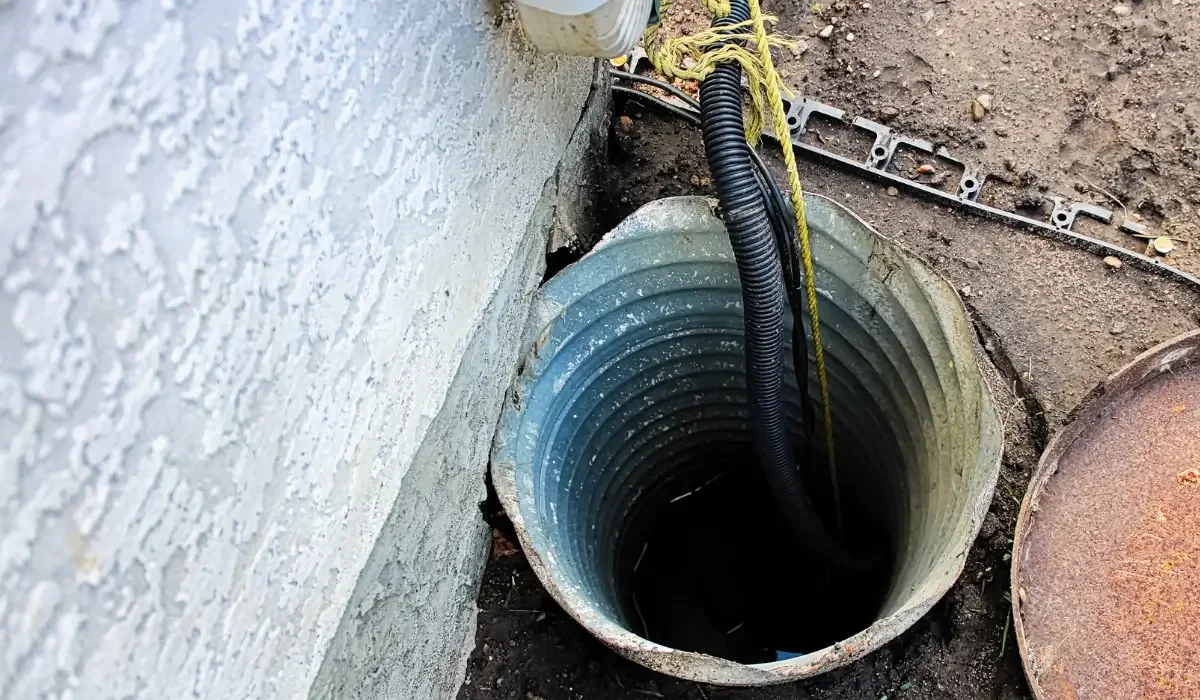
The setup involves a pit, called a sump basin, dug into the lowest point of your basement or crawl space. Water that enters the space, whether from seepage, a high water table, or a connected drainage system, flows into this pit. When the water level reaches a set point, a float switch triggers the pump, which pushes the water up through a discharge pipe and routes it away from your home.
Sump pumps are the right answer when water is collecting faster than gravity can move it, when the area where water accumulates sits below the level of any available outlet, or when you need an active defense against a rising water table during heavy rain. They're also the essential endpoint for interior drainage systems, because all that water being collected and redirected has to go somewhere, and a sump pump is what gets it out.
The important consideration with sump pumps is their dependence on electricity. A power outage during a major storm, which is often exactly when you need the pump most, can leave you without protection unless you have a battery backup installed. For homes in the Pacific Northwest where power outages during heavy storms aren't unusual, a battery backup isn't optional. It's part of a complete system. Take a look at how our Bellingham sump pump installation service.
Related: Bowing Basement Walls: What Causes Them and How Serious Is It
The Core Difference: Intercept vs. Remove
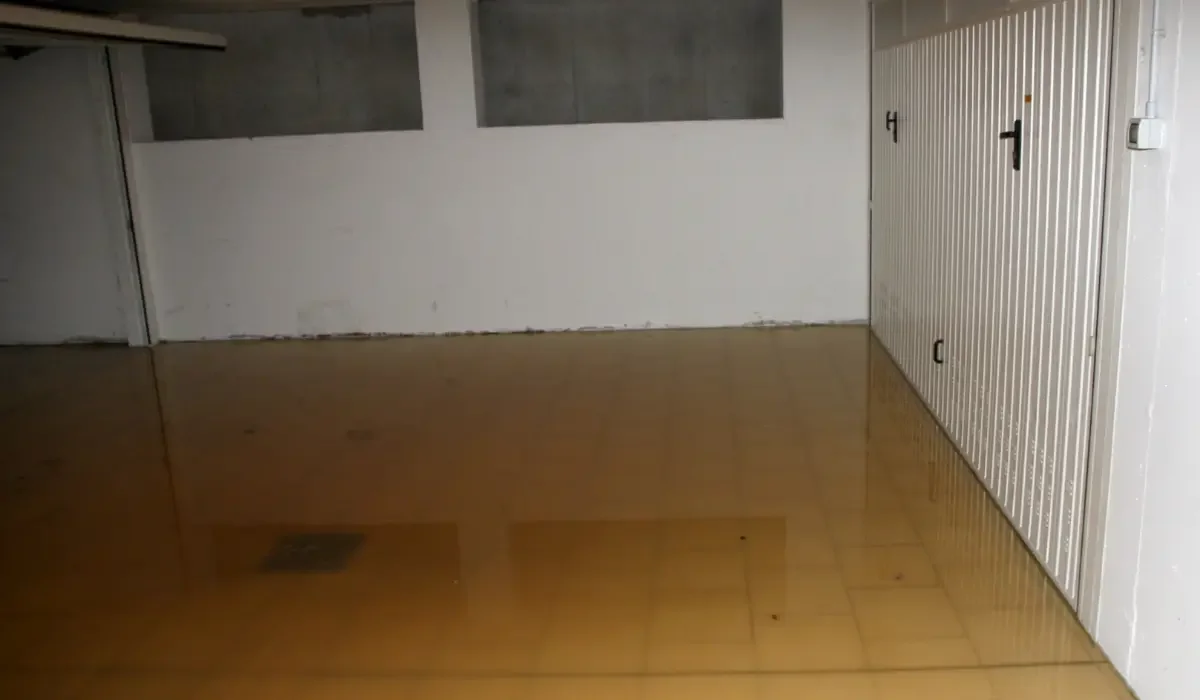
The simplest way to think about these two systems is this: a French drain intercepts water and redirects it before it becomes a problem. A sump pump removes water that has already collected somewhere it shouldn't be.
A French drain is a capture and redirect system. A sump pump is a capture and eject system. That difference determines which one is appropriate for your specific situation, and in many cases, it's what determines whether one system is enough or whether you need both working together.
When a French Drain Is the Right Choice
A French drain tends to be the right primary solution when water is entering from outside the structure or pooling on the surface of your yard. If your foundation is dealing with hydrostatic pressure from saturated soil, an exterior French drain intercepts that groundwater before it ever has a chance to push against your walls. If a section of your yard stays soggy for days after rain, a French drain through that area can route the water away before it affects your landscaping or your foundation.
French drains are also a strong choice for crawl space perimeters, where redirecting moisture away from the structure helps keep humidity levels lower and reduces the conditions that lead to mold and wood rot.
Related: The Homeowner's Guide to Understanding Waterproofing Options for Your Home
When a Sump Pump Is the Right Choice
A sump pump becomes necessary when water is collecting in a low point that gravity can't drain on its own. If your basement floor sits below the level of your yard's drainage outlets, if your water table rises seasonally and pushes water up through your floor, or if you have an interior drainage system that needs somewhere to send the water it collects, a sump pump is what makes the system work.
Sump pumps are also the right answer for homes in areas with significant rainfall where water can enter faster than any passive system can redirect it, and for homeowners who want an active, monitored defense they can rely on during storms.
When You Need Both
Here's what surprises a lot of homeowners: in many cases, the most effective solution is both systems working together. An interior French drain collects water that's seeping in along the base of basement walls and channels it toward a sump pit. The sump pump then removes that collected water from the home entirely. Neither system alone does the full job. Together, they handle the complete water management problem.
The EPA's Soak Up the Rain program emphasizes managing where water goes around your home, and redirecting water away from structures is one of its core recommendations.
A combined French drain and sump pump system is often the most complete expression of that principle in practice.
Related: How to Tell If Your Crawl Space Has a Moisture Problem
What to Ask Before You Decide
Before committing to either system, it helps to understand a few things about your specific situation. Where is the water coming from? Is it surface water, groundwater, or water coming in through the foundation walls? Where does it end up? Is it pooling in the yard, collecting in a basement corner, or seeping across the entire floor?
Is there a natural outlet available for a gravity based system, or does the water collect in a low point with no downhill path? And how heavy is the water load during peak rain periods in your area?
These questions are best answered with a professional eye. The right drainage solution depends on your site conditions, your foundation type, and the specific behavior of water around your home, all of which vary more than most homeowners expect.
At Foundation Restoration, we assess all of those factors before making any recommendation. Whether your situation calls for a French drain, a sump pump, or a combination of both, we'll make sure the solution we propose actually fits your problem. Reach out to our team and let's figure out what's right for your home.
Reference:
U.S. Environmental Protection Agency. Soak Up the Rain: Disconnect / Redirect Downspouts. epa.gov. https://www.epa.gov/soakuptherain/soak-rain-disconnect-redirect-downspouts