

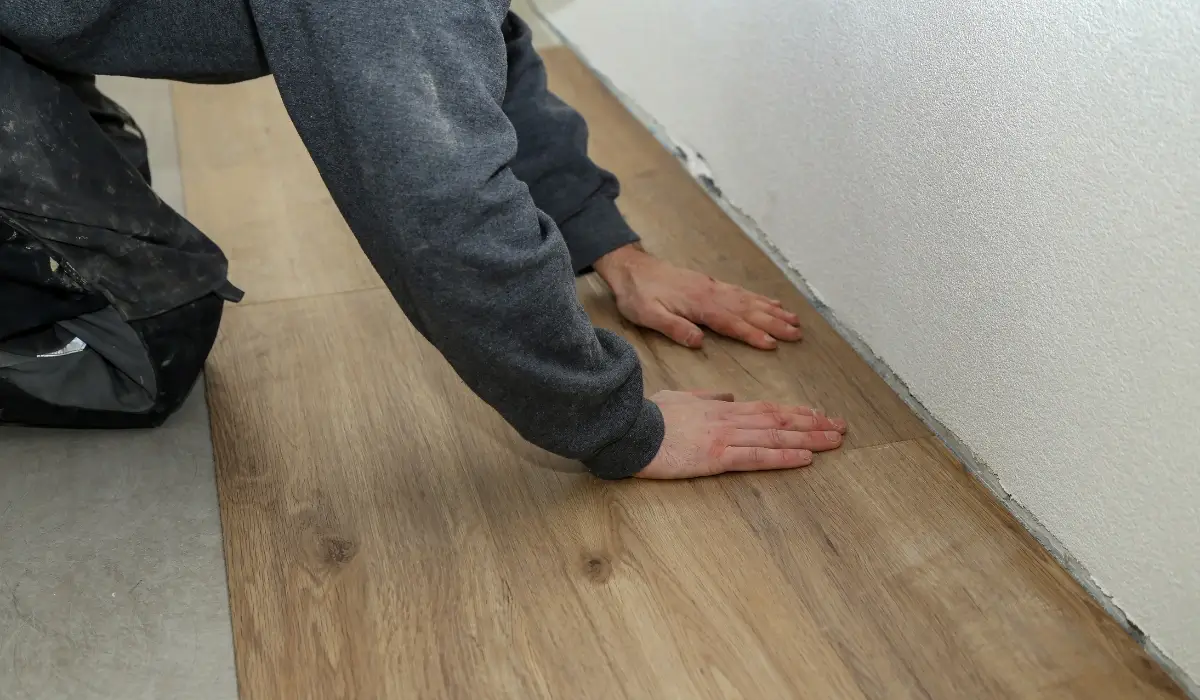
You notice it when you set a glass on the counter and it slowly slides to one side. You feel it when you walk across a room and sense a subtle dip beneath your feet. Maybe your furniture doesn’t sit quite right anymore, or you’ve spotted a visible slope near a doorway that wasn’t there before.
Uneven floors are one of those home problems that are easy to dismiss at first but impossible to ignore once they progress. The truth is, uneven floors aren’t just a cosmetic issue. They’re often a symptom of something happening beneath your home that deserves a closer look.
At Foundation Restoration, we help homeowners understand what’s really going on under their feet and what it takes to fix it the right way.
Foundation Settlement Is One of the Most Common Causes
When the soil beneath your home shifts, compresses, or washes away, your foundation doesn’t have the stable base it needs to stay level. This causes sections of your foundation to sink lower than others, a process called differential settlement. As the foundation moves, it pulls the structure above it out of level, and you feel that movement in your floors.
Settlement is especially common in areas with expansive clay soils that swell when wet and shrink when dry, in homes built on poorly compacted fill soil, and in regions with significant rainfall and drainage issues. If your floors have developed a noticeable slope over time rather than all at once, settlement is likely part of the conversation.
Failing Crawl Space Supports Can Let Floors Sag
If your home has a crawl space, your floors are supported by a system of beams, joists, and posts sitting on concrete piers or footings. When any part of that system deteriorates, the floors above start to sag, bounce, or feel soft underfoot.
Wood rot is a major culprit here. Crawl spaces that trap moisture create the perfect environment for rot to eat away at structural wood over time. Pest damage from termites or carpenter ants can compound the problem. In some cases, the concrete piers themselves have shifted or settled, leaving the beams they’re supposed to support without adequate bearing.
A crawl space inspection can quickly reveal whether your support system is compromised and what’s needed to restore it.
Related: What That Musty Smell in Your Basement Is Really Telling You
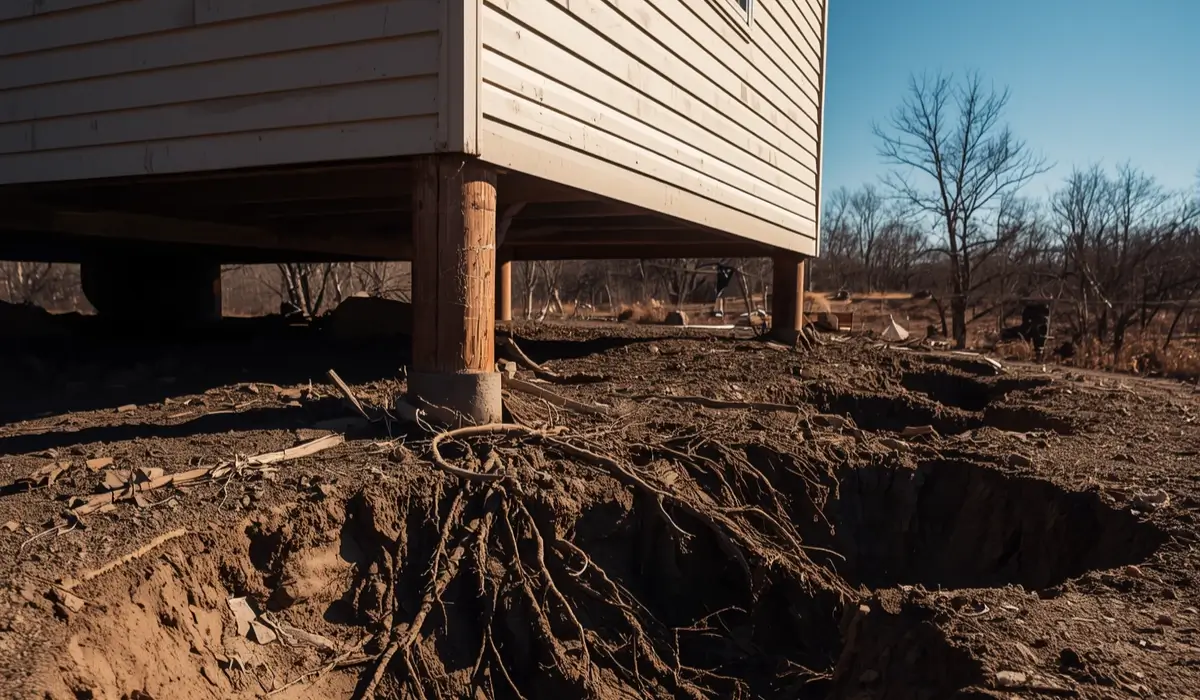
Slab Voids Create Dangerous Low Spots
In homes built on a concrete slab, uneven floors can develop when voids form beneath the slab. This happens when soil erodes, shrinks, or washes out over time, leaving sections of concrete without support underneath. Without that support, the slab can crack, drop, or tilt under the weight of your home and everything in it.
You might not see the void directly, but you’ll feel its effects. Floors that sound hollow when tapped, tiles that crack without obvious cause, and sections of flooring that feel like they’ve dropped slightly are all signs that something isn’t right beneath the slab.
Poor Original Construction Can Play a Role
Not every uneven floor is the result of something going wrong after the house was built. In some cases, the original construction didn’t meet proper standards. Inadequate soil preparation before pouring a slab, undersized floor joists, improper pier spacing in a crawl space, or shortcuts during the foundation pour can all lead to floors that weren’t perfectly level to begin with and worsen over time.
If you’ve purchased an older home or a property that had previous renovation work done without permits, it’s worth having a foundation professional assess whether the underlying structure was built correctly in the first place.
Related: 5 Warning Signs Your Foundation Needs Attention Before It Becomes a Major Problem
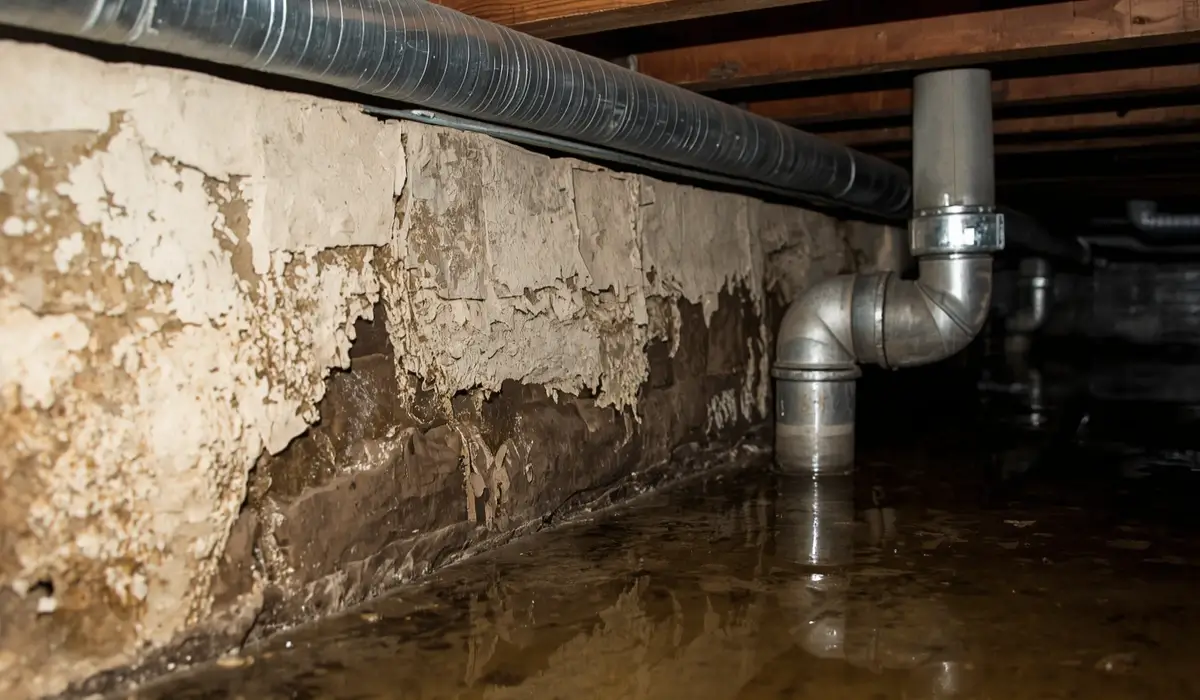
Moisture and Drainage Problems Make Everything Worse
Water is one of the biggest enemies of a stable foundation and level floors. When drainage around your home isn’t directing water away from the structure, it saturates the soil beneath your foundation and causes it to shift. Seasonal cycles of wet and dry conditions cause soil to expand and contract repeatedly, slowly destabilizing the foundation over time.
Gutters that deposit water too close to the house, negative grading that slopes toward the foundation, and poor surface drainage all contribute to this cycle. Fixing the drainage problem doesn’t undo existing foundation movement, but it’s an essential part of any lasting repair.
What You Should Do If Your Floors Are Uneven
First, don’t assume it’ll stay the same or fix itself. Uneven floors caused by foundation or structural issues almost always get worse without intervention. The longer the underlying problem goes unaddressed, the more extensive and expensive the repair becomes.
Second, get a professional evaluation from someone who specializes in foundation and structural repair, not just a general contractor. The cause of uneven floors matters enormously when it comes to choosing the right fix. A sagging crawl space needs a different solution than a settling slab, and getting that wrong can mean spending money without actually solving the problem.
At Foundation Restoration, we’ll assess your floors, your foundation, and the conditions around your home to give you a clear picture of what’s happening and a straightforward path to fixing it. Don’t let uneven floors go unanswered. Reach out to our team and let’s get to the bottom of it.

Leave A Comment
You must be logged in to post a comment.