

How Pacific Northwest Weather Affects Your Foundation and What You Can Do About It
If you've lived in the Pacific Northwest for any amount of time, you already know what the weather is like. Long stretches of rain from October through April, brief dry summers, and a climate that cycles between saturated and parched with little in between. It's part of what makes this region so beautiful. It's also part of what makes it uniquely challenging for the foundations that hold homes together.
At Foundation Restoration, we work with homeowners across the Pacific Northwest who are dealing with the very real consequences of what our weather does to the ground beneath their homes. Understanding that relationship is the first step toward protecting your most valuable investment.
The Rainfall Reality of Western Washington
According to the Washington State Climate Office, Washington state averages about 45 inches of precipitation annually when accounting for the full range of the state's terrain. In western Washington, where the majority of the population lives, that number is even higher in many areas, with rainfall recorded on 150 or more days each year in interior valleys and even more frequently along the coast and in the mountains.
What makes this challenging for foundations isn't just the volume of rain. It's the consistency of it. Unlike regions that experience intense storms followed by long dry periods, western Washington sees weeks and sometimes months of steady, sustained rainfall. That sustained moisture is what gives water time to saturate the soil, find its way into cracks, and begin doing real structural damage.
What Saturated Soil Does to Your Foundation
Soil behaves very differently when it's wet versus when it's dry, and that difference has a direct impact on your foundation. When the soil surrounding your home becomes heavily saturated, it expands and places lateral pressure on your foundation walls. That pressure, known as hydrostatic pressure, is one of the leading causes of bowing basement walls, horizontal cracks in concrete blocks, and water intrusion through foundation seams.
At the same time, water that can't be absorbed by already saturated soil looks for somewhere to go. It follows the path of least resistance, which often means through small cracks in your foundation, along seams between the footing and the wall, or up through a concrete slab. Over multiple wet seasons, that repeated exposure weakens concrete, widens existing cracks, and creates the conditions for serious structural movement.
Related: Why Getting a Second Opinion on Foundation Work Could Save You Thousands
The Wet Dry Cycle and What It Does Over Time
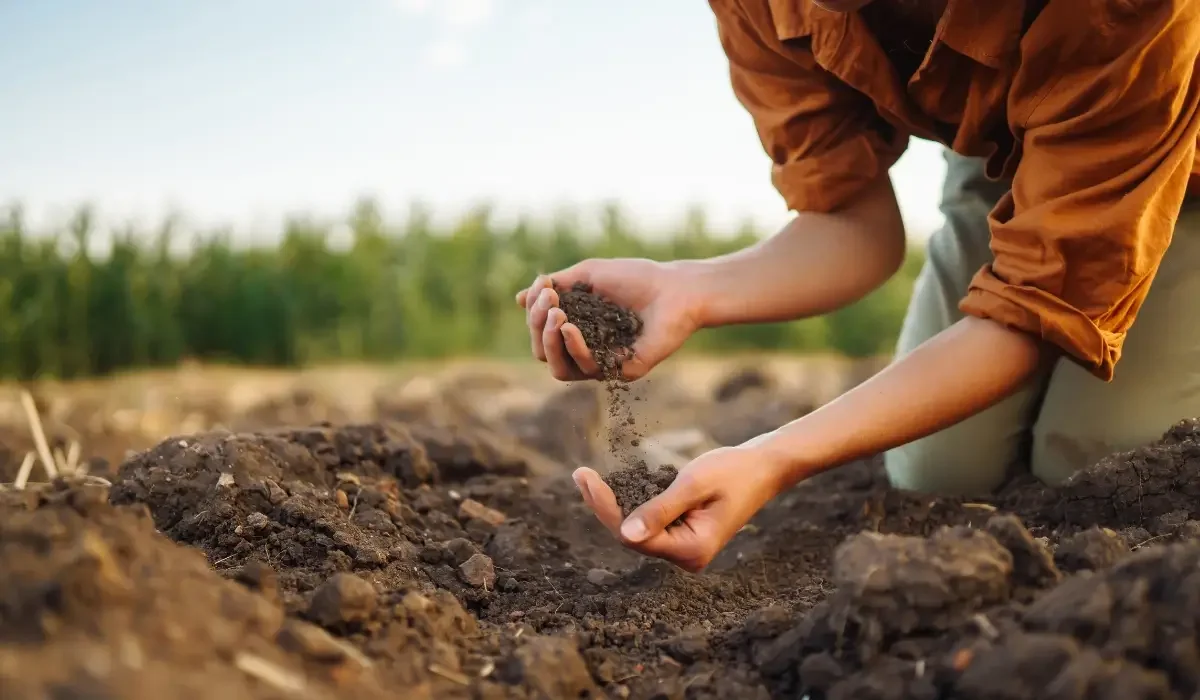
Spring and summer in the Pacific Northwest bring a welcome shift to drier conditions, but that shift creates its own set of problems for foundations. When the soil that was saturated all winter begins to dry out, it contracts and loses volume. In areas with clay heavy soil, which is common throughout western Washington, that shrinkage can be significant.
This repeated cycle of expansion in the wet season and contraction in the dry season causes soil to shift beneath your foundation year after year. Over time, that movement can lead to differential settlement, where one section of your foundation sinks or shifts at a different rate than another. The result shows up as diagonal cracks from door and window corners, floors that slope in one direction, and gaps that open up between walls and ceilings.
Crawl Spaces Are Especially Vulnerable
Homes with crawl spaces face a particular challenge in the Pacific Northwest climate. The ground beneath a crawl space holds moisture from the long wet season, and without proper vapor barriers and drainage, that moisture evaporates upward into the wood structure of your home. The result is elevated humidity levels, mold growth on joists and beams, wood rot, and the kind of structural deterioration that compromises your floor system over time.
An unencapsulated or improperly vented crawl space in this climate isn't just uncomfortable. It's a slow moving threat to the structural integrity of your home that often goes unnoticed until the damage is already significant. If your home has a crawl space and it hasn't been professionally assessed in recent years, the wet winters we experience make that inspection more urgent than in drier climates.
Related: What That Musty Smell in Your Basement Is Really Telling You

Poor Drainage Makes Everything Worse
One of the most common contributors to foundation problems in the Pacific Northwest isn't the rain itself. It's poor drainage that allows rainwater to collect against your foundation rather than move away from it. Gutters that discharge too close to the house, yard grading that slopes toward the foundation, and low spots in the landscape that pool water after storms all concentrate moisture exactly where you don't want it.
When water pools against your foundation repeatedly over years, it keeps the soil in a constant state of saturation, increases hydrostatic pressure on your walls, and accelerates the intrusion of moisture through any available gap or crack. Correcting drainage is often the most cost effective first step a homeowner can take to reduce the stress their foundation is under.
What You Can Do to Protect Your Foundation
The good news is that the Pacific Northwest climate, as challenging as it is for foundations, is a known quantity. The problems it creates are predictable, and they're preventable with the right attention.
Start by making sure your gutters are clean and your downspouts are discharging water at least several feet from your foundation. Check the grading around your home and make sure the ground slopes away from the structure rather than toward it. If you have a crawl space, have it inspected for moisture, vapor barriers, and drainage conditions.
Inside your home, pay attention to the warning signs. Cracks that appear or grow after a wet season, doors that start sticking when the rain returns, musty smells that worsen in winter, and any sign of water intrusion in your basement or crawl space are all signals worth taking seriously.
If you're seeing any of these signs, or if you simply haven't had your foundation evaluated in several years and you know you've been through multiple heavy wet seasons, it's worth getting a professional assessment before a manageable issue becomes a major repair.
Related: How to Tell If Your Crawl Space Has a Moisture Problem
Local Knowledge Matters
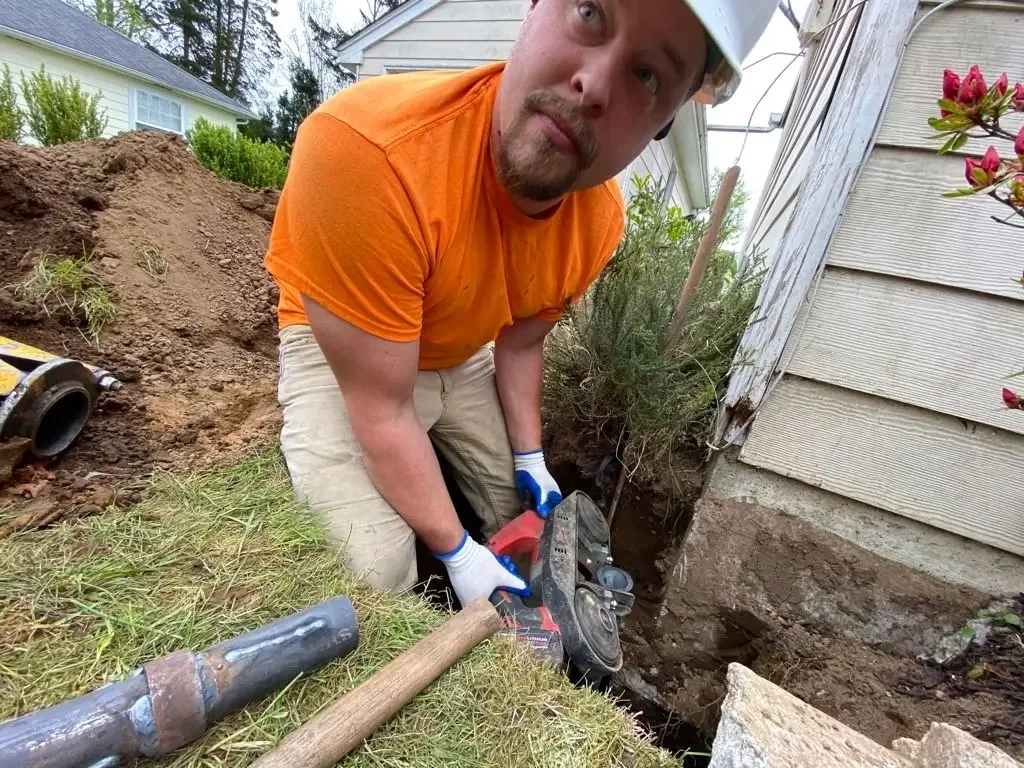
Not all foundation problems are the same, and not all foundation contractors understand the specific soil conditions, rainfall patterns, and construction styles common in the Pacific Northwest. Working with a team that has real experience in this region means getting recommendations that actually fit your situation rather than generic solutions designed for a different climate.
At Foundation Restoration, the Pacific Northwest isn't just where we work. It's what we know. Reach out to our team and let's talk about what this climate may be doing to your foundation and what you can do to stay ahead of it.
Reference:
Washington State Climate Office, University of Washington. Washington's Climate. climate.uw.edu. https://climate.uw.edu/washingtons-climate/