

Bellingham Vapor Barrier Coating
Concrete looks solid, but water vapor moves right through it. In a basement, a slab, or a below-grade wall, that vapor drive pushes ground moisture up into the space and into whatever flooring or coating sits on top. Foundation Restoration applies vapor barrier coatings that block moisture at the concrete itself, protecting floors and finishes across Bellingham and Whatcom County.
No pressure. No upselling. Just honest assessments and a moisture barrier that holds up for the long run.
Ready for a Free Quote?
Give us a call at (360) 383-7500 or fill out the form below for a free quote. Need more info? No problem! Just keep scrolling.
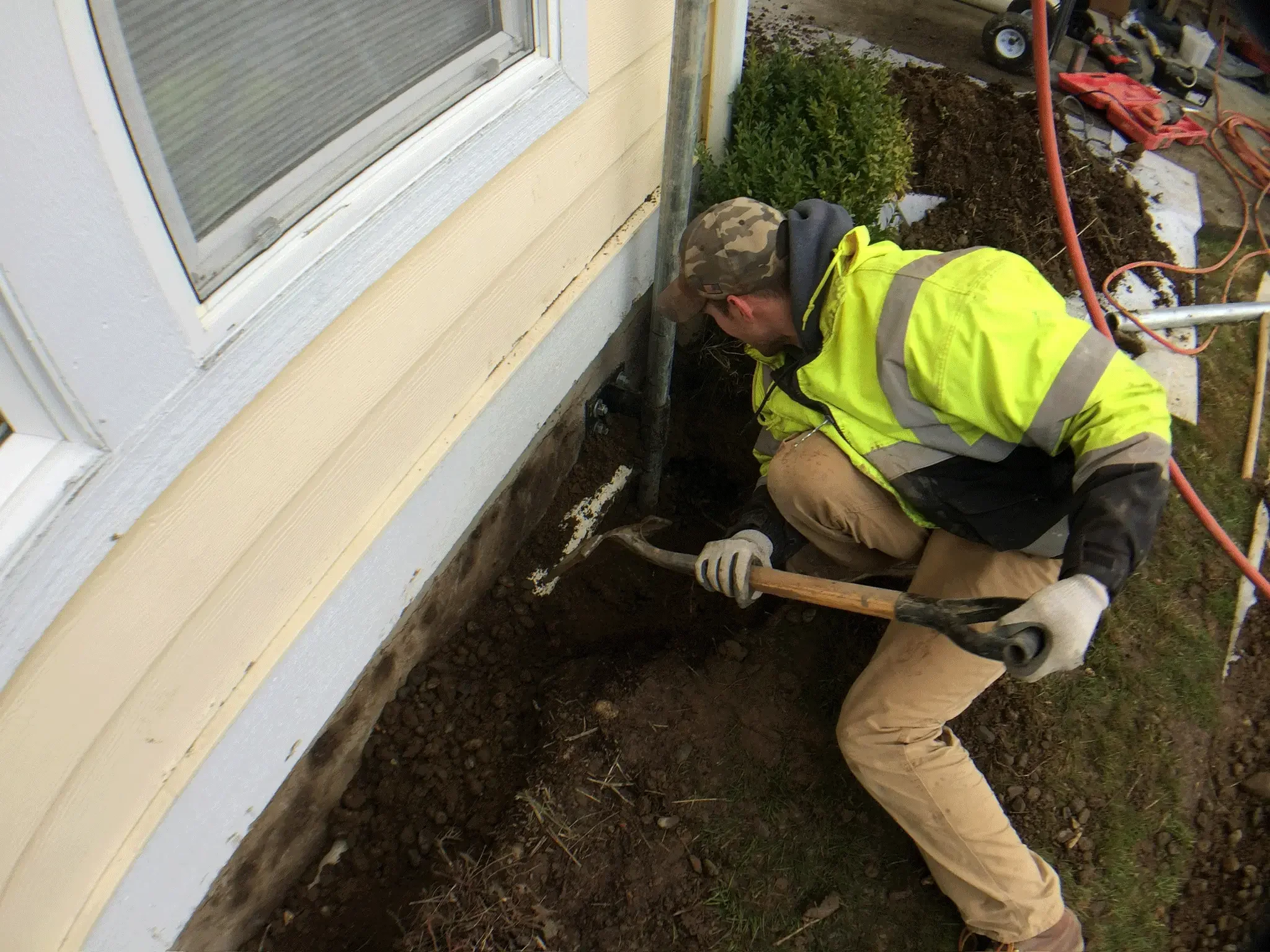
What Is a Vapor Barrier Coating?
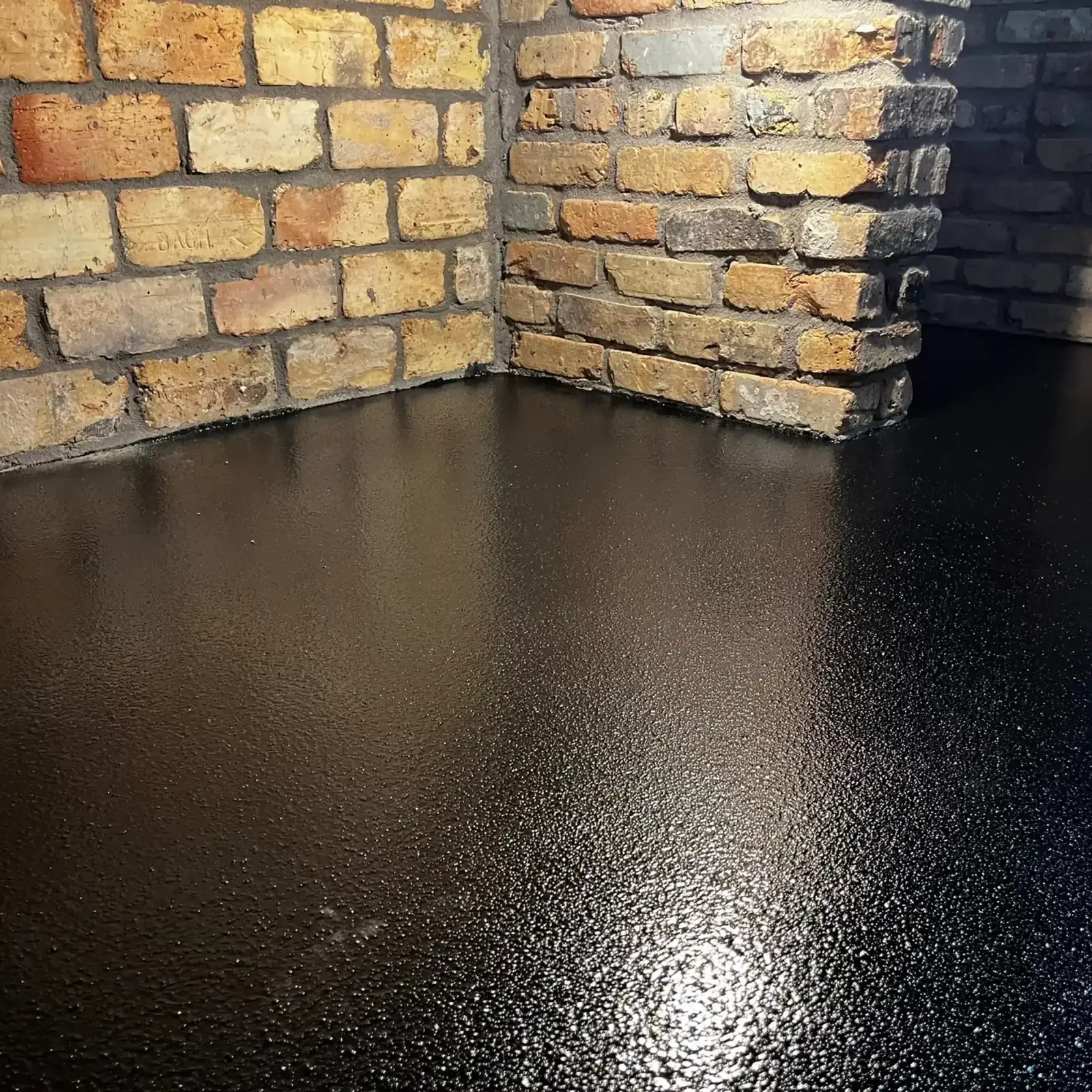
A vapor barrier coating is a moisture-blocking membrane applied directly to a concrete surface. Unlike a loose sheet laid over soil, a vapor barrier coating bonds to the slab or wall and seals the entire surface, so water vapor cannot migrate up through the concrete. Many systems are epoxy resin based and act as both a moisture barrier and an air barrier under the flooring or coating that goes on top.
This matters most when something is going to be installed over the concrete. Floor coverings and coatings fail early when moisture drives up from below, so a vapor barrier coating is the step that protects that investment. On below-grade foundation walls, the same coating keeps ground moisture from pushing through into the space.
Signs you need a vapor barrier coating:
A concrete slab that feels damp or shows white, chalky efflorescence
Flooring, paint, or a prior coating peeling or bubbling from moisture below
Musty odors or damp conditions in a basement or lower level
Below-grade foundation walls that sweat or show water intrusion
A high slab moisture reading before new flooring goes down
When a Vapor Barrier Coating Is the Right Solution
Not every slab needs one, so we check the concrete and the moisture conditions before recommending anything.
A vapor barrier coating is commonly recommended when:
New flooring or an epoxy coating is going over a concrete slab
Excess moisture or ground moisture is pushing up through the concrete
A below-grade wall or basement floor needs to stay dry
A previous floor finish failed because moisture was never blocked
Moisture testing shows the slab is above the limit for the new flooring
We evaluate the surface, explain what we see in plain language, and lay out the options so you can decide without pressure.
ALREADY HAVE A QUOTE FROM ANOTHER COMPANY?
We are happy to review it with you and provide a straightforward second opinion.
STRAIGHT ANSWERS.
SOLID SOLUTIONS.
No pressure. No upselling. Just steady, professional guidance and installation. If you have noticed a crack in your foundation, a sloping floor, moisture in the basement, or a musty crawlspace, it can be hard to know where to start. We help you understand what you are looking at and work with you to find a solution that fits both your goals and the home.
Every person we asked referred Foundation Restoration. The guys were thorough in their initial evaluation, respectful of our home while working, and they had great communications at every step of the process. We’d be happy to work with FR again in the future.”
- Nicole, homeowner, Bellingham

How We Apply a Vapor Barrier Coating
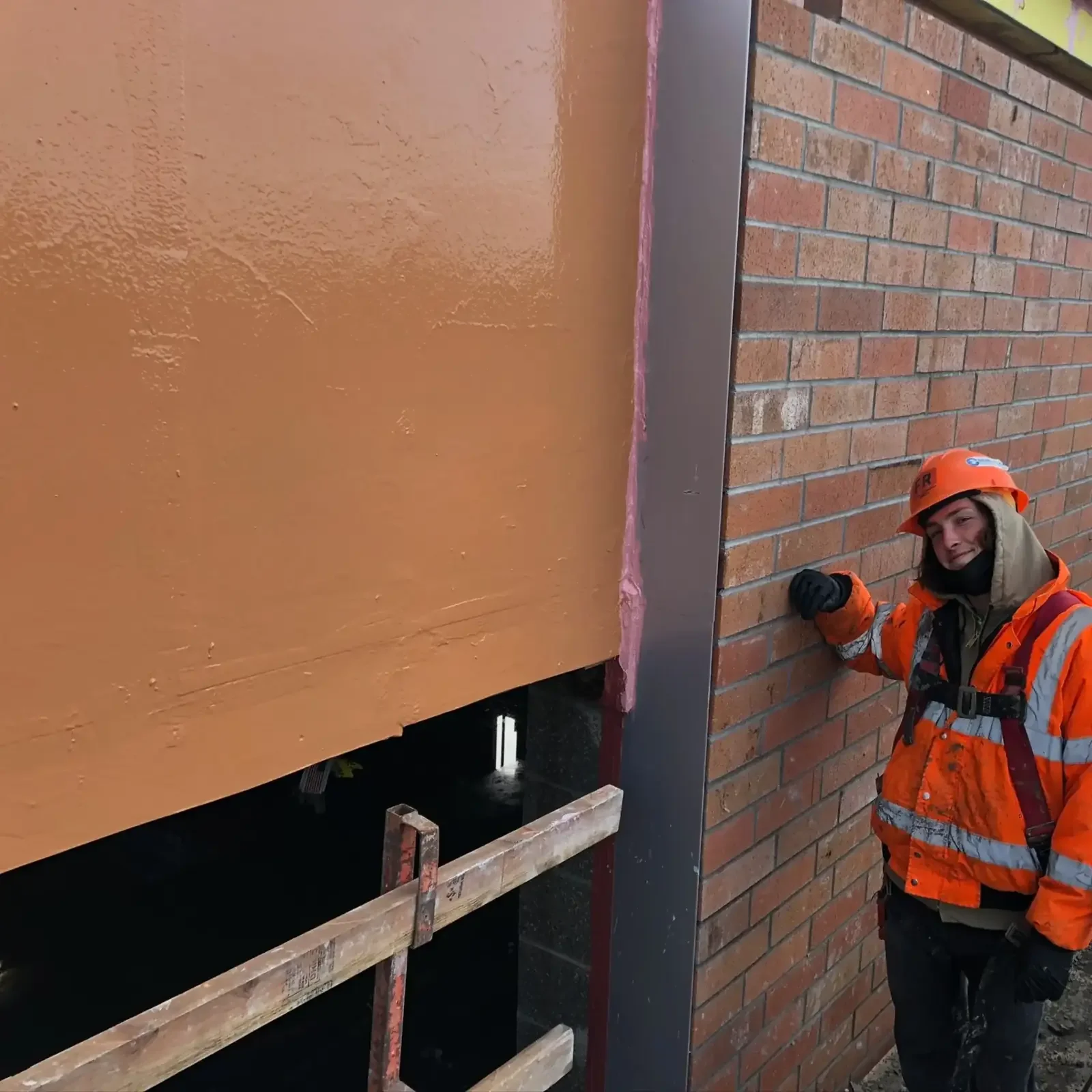
A coating is only as good as the surface under it, so the process starts with the concrete.
Surface Preparation
We profile the concrete through shot blasting or grinding so the coating bonds tightly. Skipping this is the most common reason a vapor barrier coating fails later.
Coating Application
We apply the moisture-barrier coating in full, making sure the entire surface has complete coverage with no pinholes or gaps where vapor could get through. Many systems are epoxy resin based and cure into a hard, continuous barrier.
Moisture Assessment
Where it matters, we test the slab against the relevant ASTM F moisture standards, so we know the concrete is ready and the right system is specified for the ambient conditions.
Topcoat or Flooring
Once the barrier is down, your finish coat or flooring goes on over a surface that is sealed against moisture, so it lasts.
Where We Apply Them
We coat the concrete surfaces where moisture causes the most trouble: basement floors and below-grade foundation walls, garage and shop slabs before an epoxy floor coating, and interior walls or slabs on grade where ground moisture is a problem. The goal is the same each time, a drier environment and long-term protection for whatever is built on top.
Why It Matters
Unblocked moisture does slow, steady damage. It lifts flooring, feeds wood rot where concrete meets framing, raises indoor humidity, and over time contributes to structural problems. A vapor barrier coating heads that off, protects the structure of your home, and keeps the space drier and easier to heat. For Bellingham homeowners dealing with heavy rains and damp ground, it is one of the most cost-effective moisture control steps available.
WHAT TO EXPECT

When you contact us, you’ll likely speak with Janeah or Kelsey. They’ll ask a few questions, gather basic information, and schedule a site visit. If you have a prior report or estimate, they will review it so our team arrives prepared.
During the visit, you’ll meet with Eric or David. They’re experienced builders, not commissioned sales staff. They’ll evaluate the issue and surrounding conditions and explain what they see in plain language.
Afterward, you’ll receive a written proposal with recommended solutions and costs. If there’s more than one option, we’ll walk you through it so you can decide without pressure.
We’re owner-led, and your estimator stays involved through completion so the work is carried out as discussed. Our crews keep a clean job site.
DEEP LOCAL KNOWLEDGE. PROVEN EXPERIENCE. CLEAR ACCOUNTABILITY.
Behind every Foundation Restoration project is Matt Shaver, whose hands-on leadership and long commitment to quality and community help set the standard for how work gets done.
Locally owned & operated by Matt Shaver
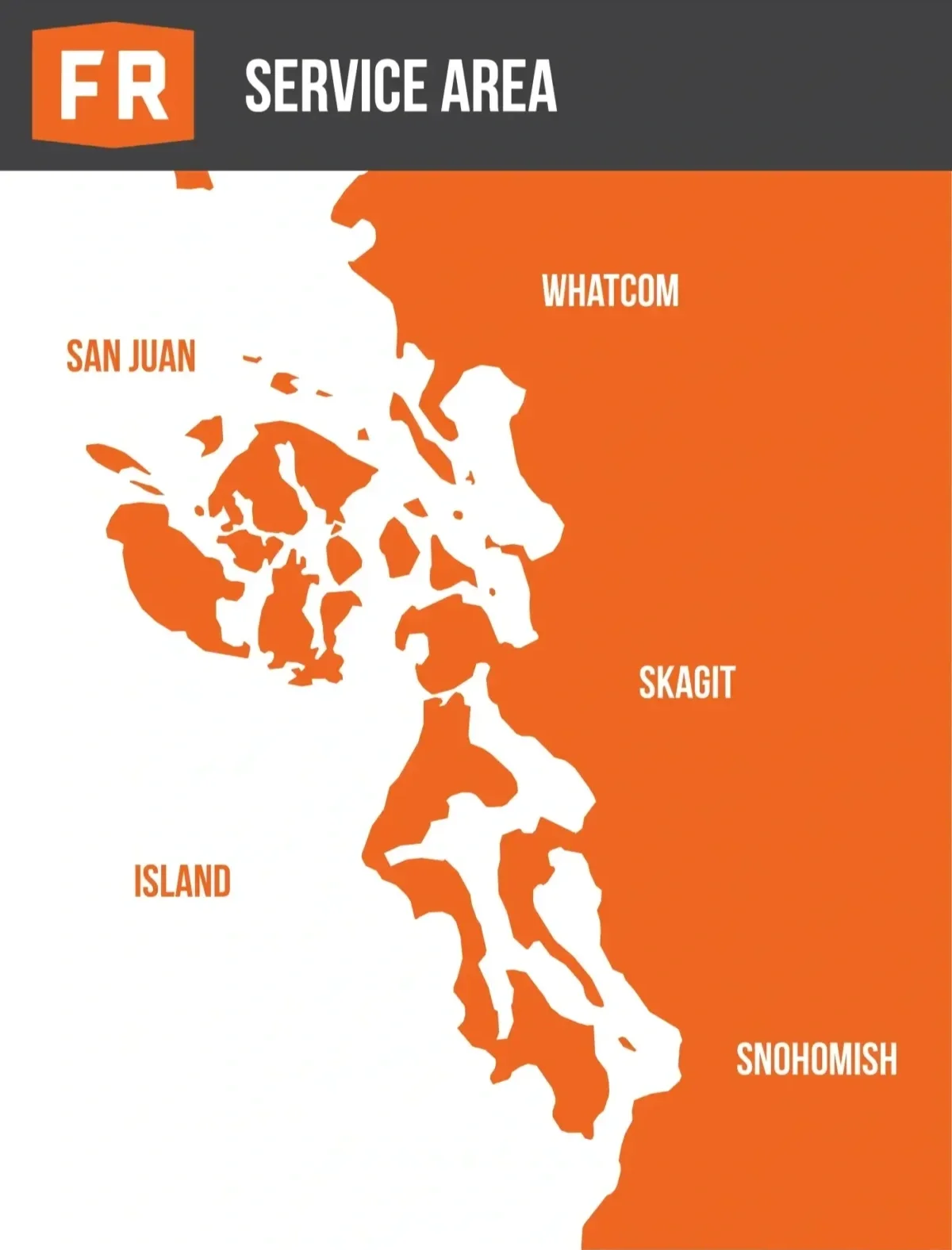
Serving Whatcom, Skagit, Island, San Juan, and Snohomish counties
Licensed, bonded, and insured
Project continuity
Your estimator is the project manager from start to finish
Clear, written warranty terms
Structural Specialists
Thousands of local foundations evaluated and repaired since 2009
Extensive experience with Western Washington soil, moisture, and settlement conditions
Commercial-grade systems installed in residential homes
Involved in our communities
Supporting local organizations and community initiatives
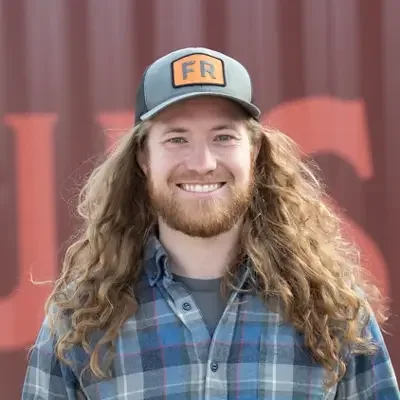
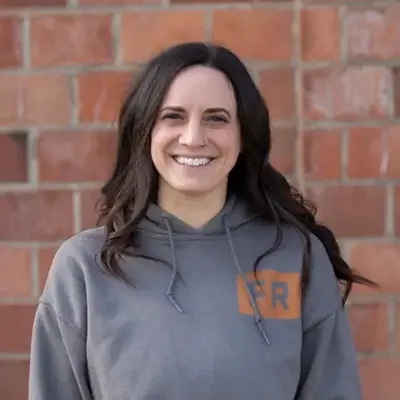
David Burkett
Residential Estimator
& Project Manager
Kelsey Riley
Director of Admin
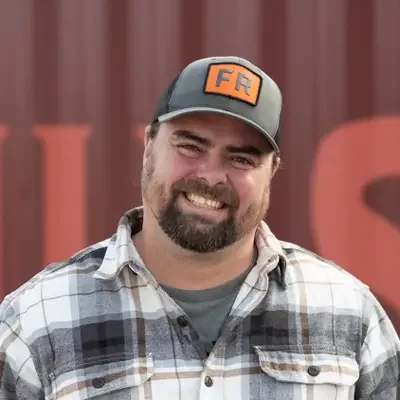
Eric Simonsen
Residential Estimator
& Project Manager
LOCAL EXPERIENCE YOU CAN SEE
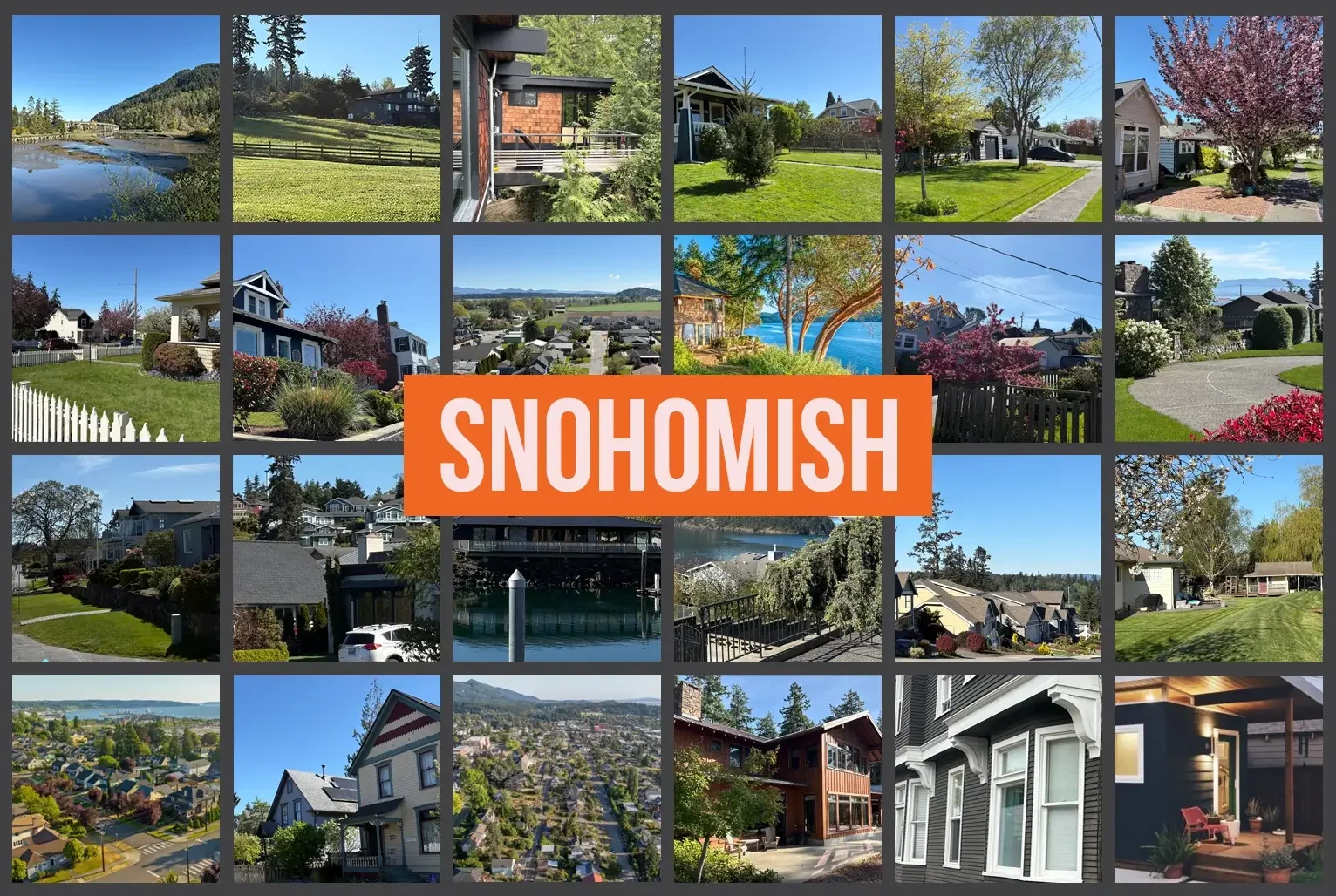
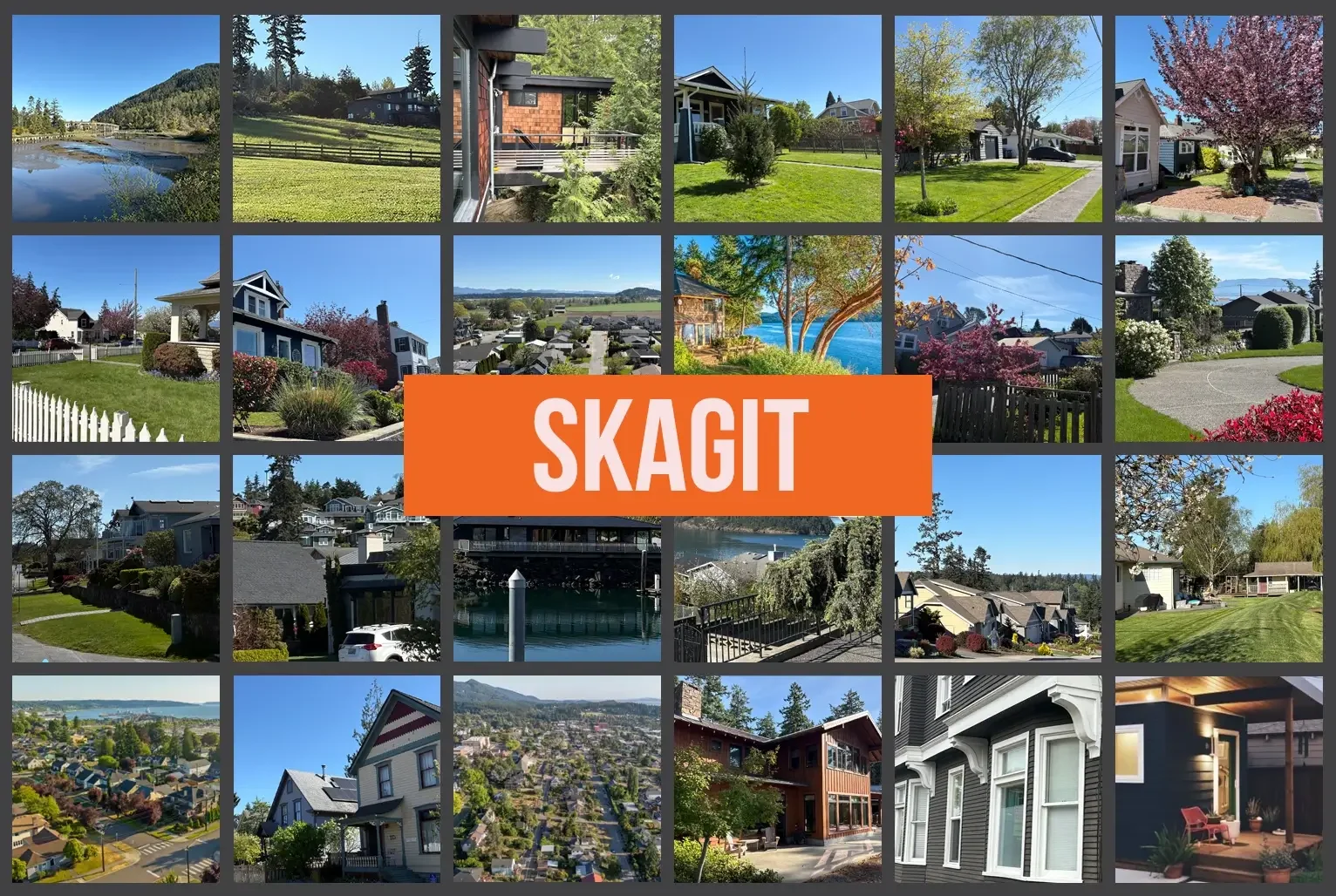
Since 2009, we have evaluated and repaired thousands of homes throughout Whatcom, Skagit, Island, San Juan, and Snohomish counties. From older foundations on South Hill to hillside properties in Sudden Valley and historic homes in the Lettered Streets, we understand how Western Washington rainfall and changing soil conditions affect structures over time.
We have worked on homes built on rocky bluffs in the islands, on expansive soils in the Skagit Valley, and on mixed fill common in parts of Bellingham. Each site presents different conditions, and each requires a careful, site-specific approach.
Many of our projects are in neighborhoods you likely know. We are often referred by homeowners, real estate professionals, inspectors, and local contractors who have seen our work firsthand.



My wife and I thought they were excellent from start to finish. Knowledgeable, competent, accommodating, quick to respond, and always able to answer questions. And just genuinely nice people. Honestly, Foundation Restoration is one of the best companies I’ve worked with…highly recommend going with them.”
- Chris, homeowner, Fountain District, Bellingham
THOUSANDS OF SATISFIED CUSTOMERS

FAQs
How is a vapor barrier coating different from crawl space encapsulation?
1
A vapor barrier coating bonds to a concrete surface, a slab, a basement floor, or a below-grade wall, and blocks vapor from moving through the concrete. Crawl space encapsulation lines the soil and walls of a crawl space with a liner. They solve different problems, and if your issue is a damp crawl space rather than a concrete slab, we will point you to crawl space moisture control instead.
How long does a parking deck coating last?
2
Often, yes. Epoxy and other floor coatings can fail when moisture drives up through the slab, so on a floor with a moisture problem we install a vapor barrier coating first, then the epoxy floor coating goes on over a sealed surface. We test the slab so we know whether it is needed.
How do you know if my slab has a moisture problem?
3
We look for the signs, efflorescence, a damp surface, a failed previous coating, and where it matters we run the slab against the ASTM F moisture standards. That tells us whether the concrete is above the limit for the flooring you want and whether a vapor barrier coating is the right call.
Can a vapor barrier coating be used on basement walls?
4
Yes. The same moisture-blocking coating works on below-grade foundation walls to keep ground moisture and water vapor from pushing through into the basement, as part of a broader basement waterproofing approach.
Have a parking deck that needs protection?
Reach out and we will test the surface, explain what we find, and put together a clear plan. Foundation Restoration applies vapor barrier coatings across Bellingham and Whatcom County.