

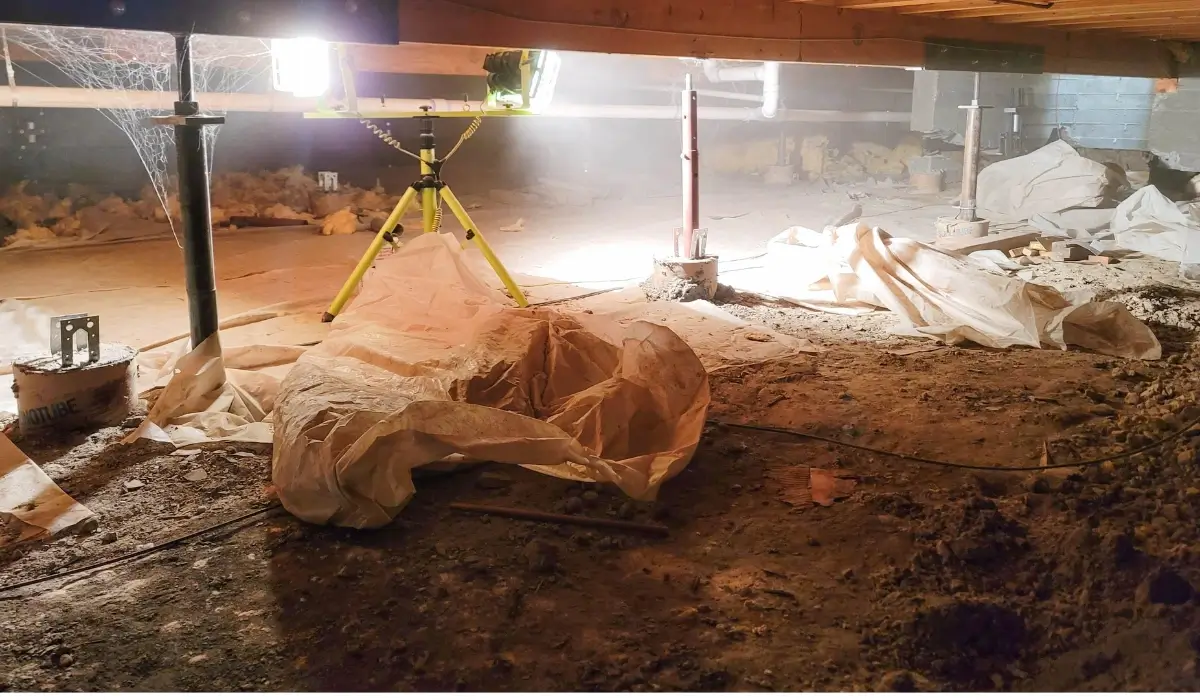
Out of sight, out of mind. That’s how most homeowners treat their crawl space, and honestly, it makes sense. It’s dark, it’s low to the ground, and it’s not exactly somewhere you want to spend your afternoon. But ignoring your crawl space can be one of the most expensive mistakes you make as a homeowner, because if there’s a moisture problem brewing down there, it isn’t staying down there. It’s affecting your floors, your air quality, and the structural integrity of your home every single day.
The good news is that you don’t have to live in your crawl space to know whether it has a problem. There are clear, recognizable signs that moisture is at work, and the earlier you catch them, the easier and less costly the fix tends to be.
At Foundation Restoration, we inspect crawl spaces throughout the Pacific Northwest and see the same warning signs over and over again. Here’s what to look for.
Your Home Has a Persistent Musty Smell
If you’ve noticed a stale, earthy, musty odor in your home that you just can’t seem to get rid of, your crawl space is likely the source. Mold and mildew thrive in damp, dark, poorly ventilated spaces, and a crawl space with a moisture problem is their ideal environment.
What makes this particularly sneaky is that the air in your crawl space doesn’t stay in your crawl space. Through a process called the stack effect, air moves upward through your home from the lowest point to the highest. That means the musty, mold spore filled air from your crawl space is circulating into your living areas constantly, even if the space below feels completely separate from the rest of the house.
If the smell is noticeable in your first floor rooms or near floor vents, it’s time to take a closer look at what’s happening underneath.
Your Floors Feel Soft, Springy, or Uneven
The floor joists and support beams in your crawl space are made of wood, and wood doesn’t do well with prolonged moisture exposure. When crawl space humidity stays high over time, that wood begins to absorb moisture, soften, and eventually rot. As the structural integrity of those members weakens, the floors above them start to show it.
Soft spots underfoot, a slight bounce or give when you walk across a room, or floors that have developed a noticeable slope are all signs that the wood structure below may be compromised. This isn’t just a comfort issue. It’s a safety concern that gets significantly worse the longer the moisture source goes unaddressed.
If your floors feel different than they used to, a crawl space inspection should be one of your first calls.
Related: What Causes Cracks in Walls and Ceilings and When Should You Worry

You’ve Noticed an Increase in Allergy or Respiratory Symptoms
Mold spores are invisible to the naked eye, but your body often knows they’re there before you do. If you or your family members have been experiencing increased allergy symptoms, persistent coughing, nasal congestion, or general respiratory irritation indoors that seems to improve when you leave the house, mold from a damp crawl space could be a contributing factor.
This is especially relevant for households with children, elderly family members, or anyone with asthma or existing respiratory conditions. The air quality inside your home is directly connected to what’s happening in your crawl space, and mold doesn’t have to be visible to be causing problems.
You Can See Condensation, Standing Water, or Staining
If you’re willing to take a look into your crawl space or have someone do it for you, there are visual signs that make a moisture problem easy to confirm. Standing water after rain is an obvious one, but moisture problems don’t always announce themselves that dramatically.
Look for condensation on pipes, ductwork, or the vapor barrier if one is present. Look for white chalky mineral deposits on concrete or block walls, a sign that water has been moving through the material repeatedly.
Look for dark staining or discoloration on wood surfaces, which often indicates mold or mildew growth. And look for rust on any metal components like fasteners, straps, or HVAC equipment, because rust doesn’t form without sustained moisture in the air.
Any one of these signs points to a crawl space that’s holding more moisture than it should.
Related: What That Musty Smell in Your Basement Is Really Telling You

Your Energy Bills Have Crept Up Without Explanation
This one surprises a lot of homeowners, but a damp crawl space can actually drive up your heating and cooling costs. When your crawl space insulation absorbs moisture, it loses its effectiveness. Humid air is also harder to heat and cool than dry air, which means your HVAC system has to work harder to maintain a comfortable temperature.
If your utility bills have been creeping upward and you haven’t changed your habits or added new appliances, it’s worth considering whether your crawl space insulation and moisture levels are part of the problem.
Pest Activity Is a Red Flag Too
Moisture attracts pests. Termites, carpenter ants, rodents, and other unwanted visitors are drawn to damp wood and humid environments, which makes a wet crawl space an incredibly attractive destination. If you’ve had pest issues in your home or have noticed signs of pest activity near your foundation or subfloor, moisture is often the underlying invitation that brought them there.
Addressing the moisture problem doesn’t just protect your structure. It also makes your home significantly less hospitable to the kinds of pests that cause additional damage on top of what the water is already doing.
Related: The Homeowner’s Guide to Understanding Waterproofing Options for Your Home
What to Do If You Recognize These Signs
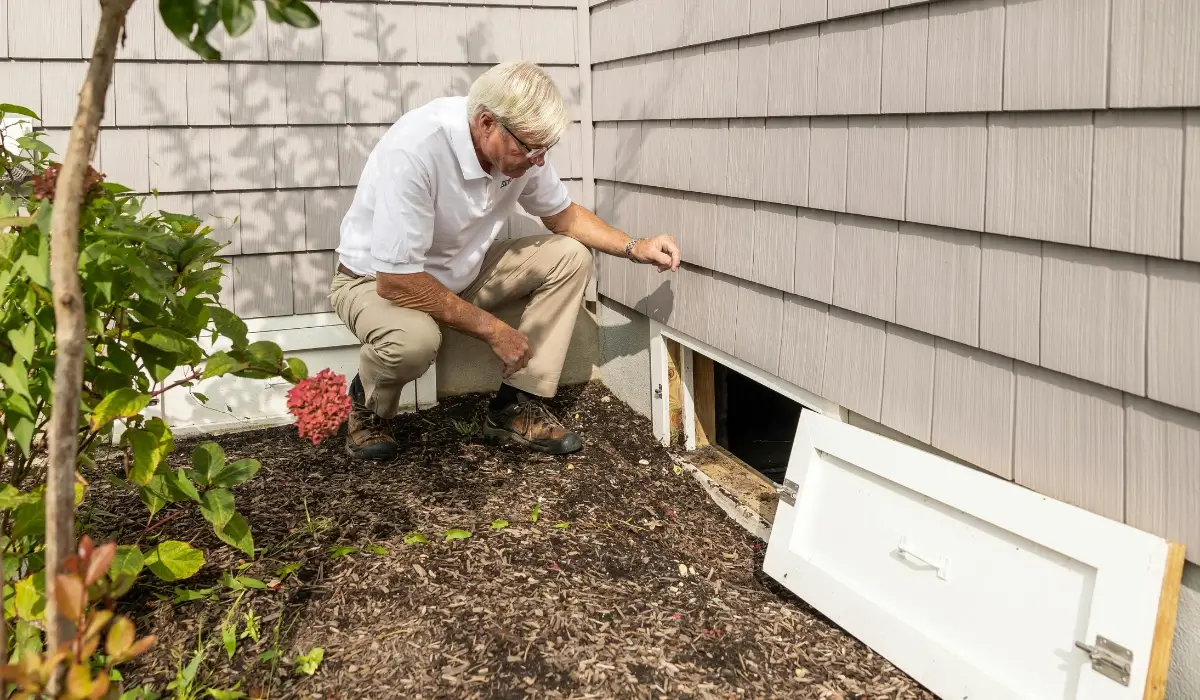
If any of these warning signs sound familiar, the right move is to get a professional crawl space assessment before the problem gets ahead of you. Moisture issues in crawl spaces are very treatable, especially when they’re caught before significant wood rot, mold spread, or structural damage has occurred. Solutions range from improving drainage and ventilation to installing a vapor barrier or pursuing full crawl space encapsulation depending on the severity of what’s going on.
At Foundation Restoration, we’ll give you a clear, honest picture of what’s happening in your crawl space and walk you through the options that make sense for your specific situation. Don’t let a problem you can’t see become one you can’t ignore. Reach out to our team and let’s get your crawl space evaluated today.
Reference:
Dunkin MA, Painter K. Mold in House: Causes, Effects, and Prevention Strategies. WebMD. Medically reviewed by Sheikh Z, MD. October 27, 2024. https://www.webmd.com/lung/mold-mildew

Leave A Comment
You must be logged in to post a comment.