


Getting a foundation repair estimate can feel overwhelming. You’ve noticed something wrong with your home, whether it’s cracks in the walls, sticking doors, or a damp basement, and now you’re about to invite someone in to tell you how bad it is and what it’s going to cost. It’s a stressful position to be in, especially when you don’t yet have the background to know if what you’re hearing is accurate, necessary, or fairly priced.
The more you understand going into that conversation, the better equipped you’ll be to make a confident decision. At Foundation Restoration, we think an informed homeowner is always better off, so here’s what you should know before you ever invite someone out to take a look.
Understand What You’re Seeing Before the Estimator Arrives
Before you get an estimate, spend some time documenting what’s going on in your home. Walk through every room and note any cracks you see in walls or ceilings, paying attention to their location, direction, and approximate size. Check your basement or crawl space for moisture, staining, or visible damage. Note any doors or windows that stick, any floors that feel uneven, and any gaps that have formed between walls and ceilings or along trim lines.
Take photos of everything. This documentation does a few things for you. It gives the estimator a full picture of what’s happening throughout the home rather than just what they happen to notice during the visit. It also gives you a baseline so you can track whether things change over time. And it protects you if you end up getting multiple opinions, because you can make sure everyone is looking at the same set of symptoms.
Know the Difference Between Sales Tactics and Honest Assessment
Foundation repair is an industry where some companies lead with fear. They’ll point to every crack as a catastrophe and use alarming language to push you toward a large and expensive repair. That’s not to say every serious recommendation is a scare tactic, but it’s important to know the difference between a company that’s educating you and one that’s pressuring you.
A trustworthy contractor will explain what they’re seeing, why it’s a problem, and what the consequences are of addressing it now versus later. They’ll give you options where options exist. They won’t rush you, they won’t use high pressure closing tactics, and they won’t suddenly offer a discount that disappears if you don’t sign today.
At Foundation Restoration, we believe the repair recommendation should always match the actual problem, nothing more and nothing less.
Related: How to Tell If Your Crawl Space Has a Moisture Problem

Get More Than One Estimate
This is straightforward advice that a lot of homeowners skip because they’re anxious to get the problem solved. Don’t skip it. Getting two or three estimates from reputable companies gives you a much clearer picture of what the repair actually involves and what a fair price looks like in your area.
Pay attention not just to the total price but to what each estimate actually includes. Two quotes can look very different on paper while covering the same scope of work, or they can look similar while one includes significantly more than the other. Ask each contractor to walk you through exactly what they’re recommending and why so you can do a real comparison rather than just comparing numbers.
Ask the Right Questions During the Visit
When a contractor comes out to assess your foundation, you should be asking questions throughout the process. A few of the most important ones include: What is causing this specific problem? What happens if I don’t address it right now? Are there different approaches to fixing this, and what are the tradeoffs? How long will the repair last and does it come with a warranty? Have you done this type of repair in homes with similar construction to mine?
The answers to these questions will tell you a lot about whether the contractor actually understands your situation or is working from a standard script. A knowledgeable professional will welcome your questions and give you clear, specific answers rather than vague reassurances.
Related: 5 Warning Signs Your Foundation Needs Attention Before It Becomes a Major Problem
Understand That Not Every Crack Requires Major Work
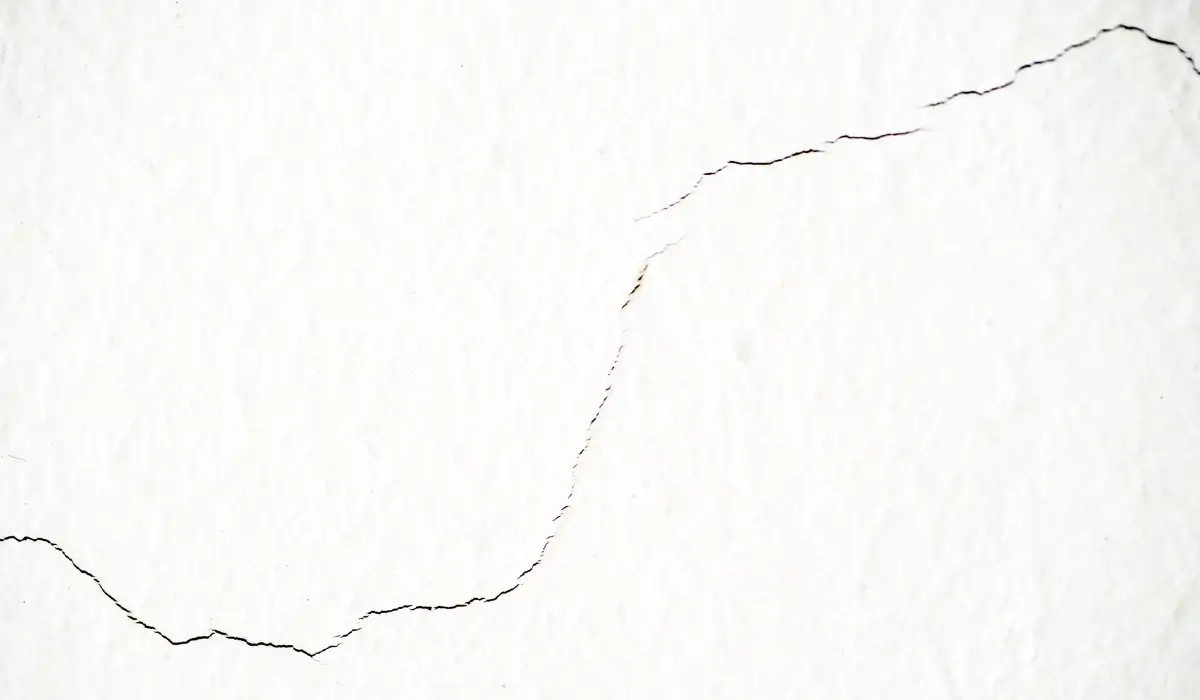
One of the most important things to know going in is that foundation issues exist on a wide spectrum. Some cracks are cosmetic and require nothing more than monitoring. Some indicate early stage movement that can be addressed with a targeted repair. Others point to more significant structural issues that need a comprehensive solution.
A good estimator will tell you honestly where your situation falls on that spectrum. Be cautious of anyone who treats every problem as an emergency requiring immediate and extensive work. Be equally cautious of anyone who dismisses every concern without a thorough explanation of why it isn’t serious.
Know What the Estimate Should Include
A thorough foundation repair estimate should include a clear description of the problem that was identified, the specific repair method being recommended, the materials and equipment that’ll be used, a project timeline, the total cost broken down in a way you can understand, and warranty information for both the labor and any products being installed.
If an estimate is vague, if it doesn’t explain the reasoning behind the recommendation, or if it pressures you to commit before you’ve had time to review it carefully, those are red flags worth taking seriously.
Related: What Causes Cracks in Walls and Ceilings and When Should You Worry

Work With Someone You Trust
At the end of the day, foundation repair is a significant investment and the company you choose is going to be working on the most critical structural element of your home. You want someone who communicates clearly, shows up on time, stands behind their work, and has a track record in your area.
Ask for references. Look at reviews. Make sure they’re licensed and insured. And pay attention to how they treat you during the estimate process, because how a company behaves before they have your business is a good indicator of how they’ll behave after.
At Foundation Restoration, we take pride in giving homeowners straight answers and honest recommendations. If you’re getting ready to have your foundation assessed, we’d be glad to be one of the companies you call. Reach out to our team and let’s start with a conversation.
Source:
- Federal Trade Commission. How To Avoid a Home Improvement Scam. consumer.ftc.gov. https://consumer.ftc.gov/articles/how-avoid-home-improvement-scam

Leave A Comment
You must be logged in to post a comment.