
Bellingham Pin Pile Installation
When a foundation needs more than surface-level repair, pin piles drive the solution deeper. Foundation Restoration has provided pin pile installation across Bellingham and Whatcom County since 2009, working with property owners on projects where standard repairs are not enough and dependable support down to stable soil or bedrock is required.
No pressure. No upselling. Just honest assessments and deep foundation systems installed the right way.
Ready for a Free Quote?
Give us a call at (360) 383-7500 or fill out the form below for a free quote. Need more info? No problem! Just keep scrolling.
What Are Pin Piles?
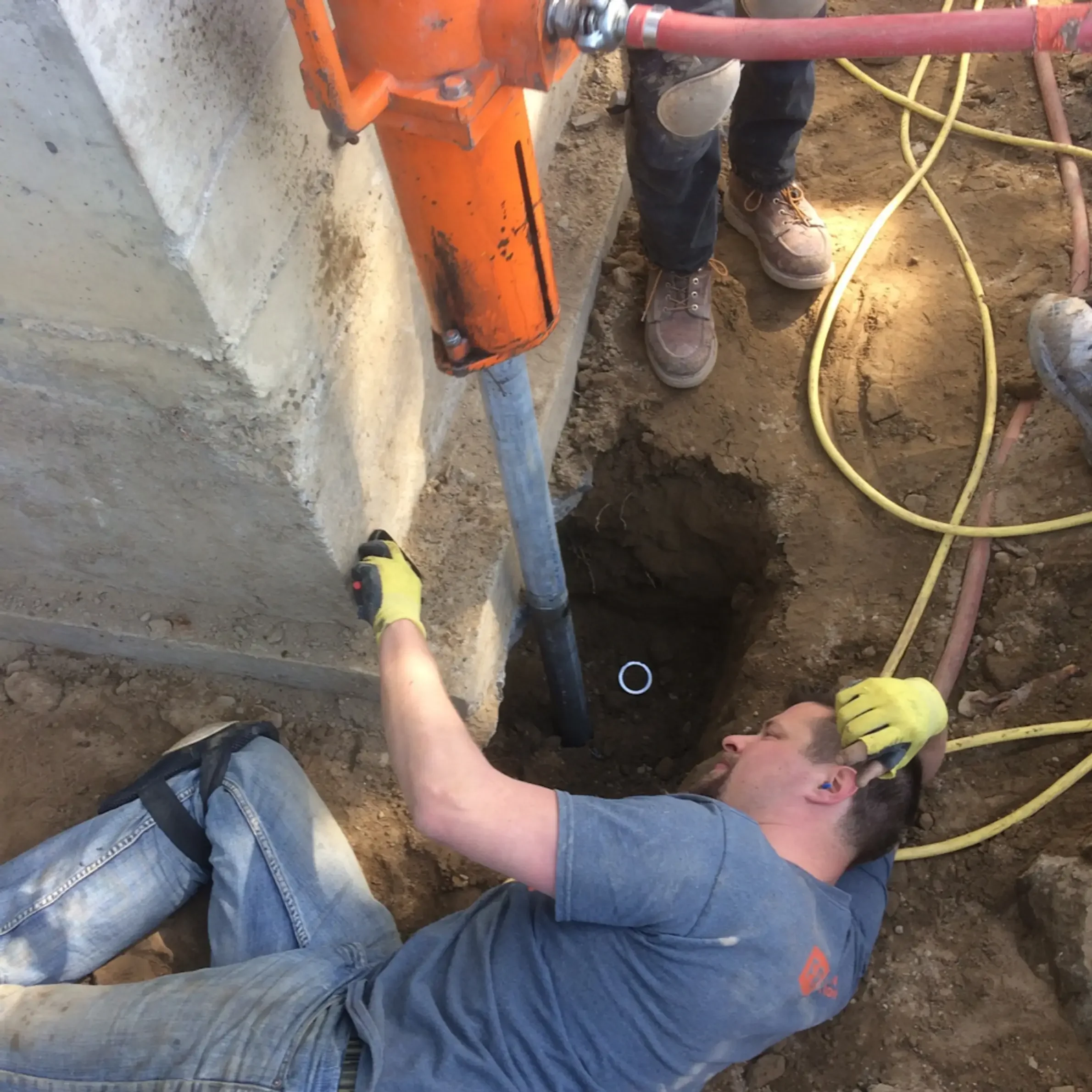
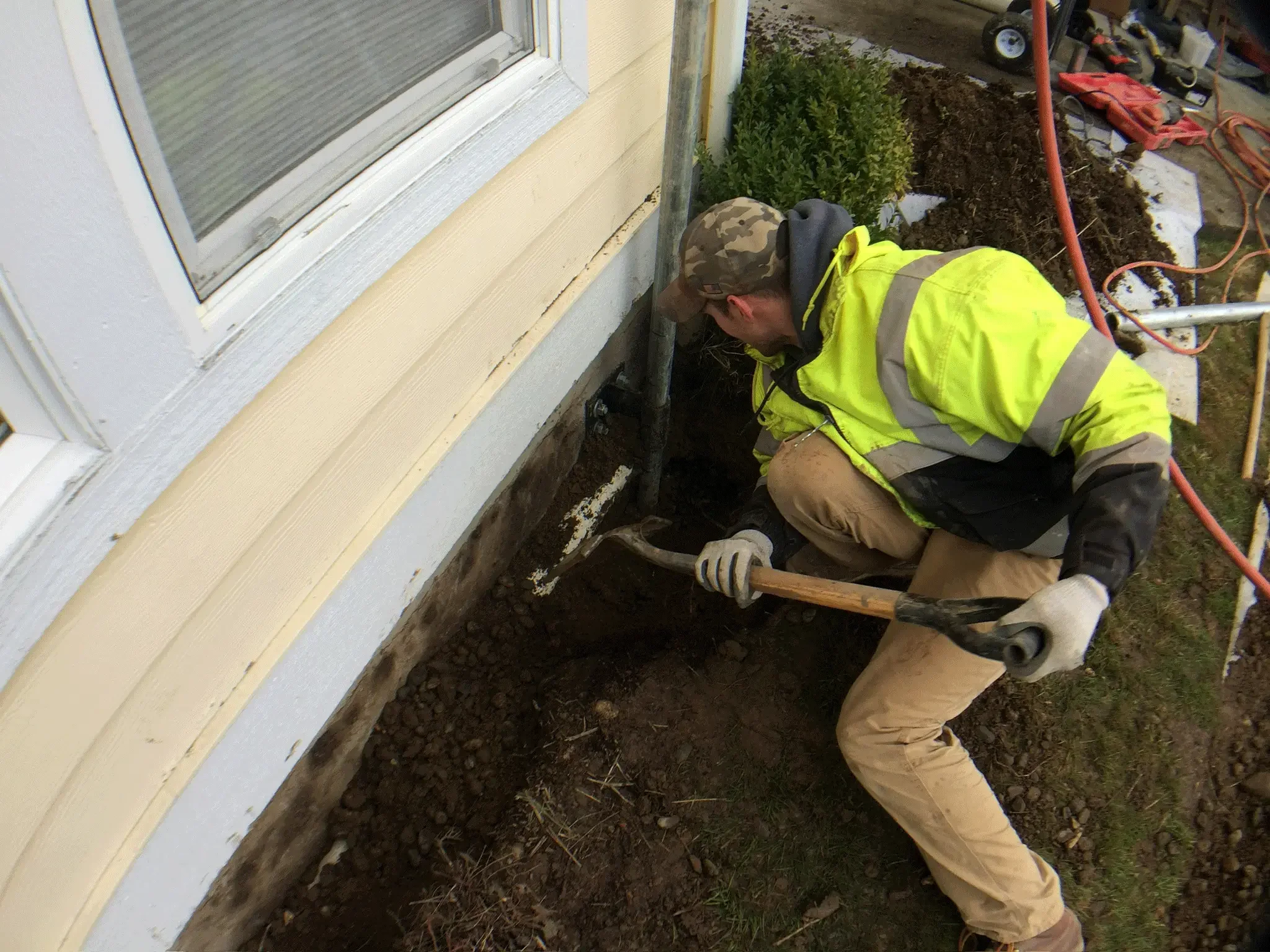
Pin piles are small-diameter steel piles driven or drilled into the ground to transfer structural loads past unstable soil to a more competent layer below. They are one of the most reliable deep foundation systems available for properties where the upper soil cannot support the structure above it.
In Western Washington, soft soil, high water tables, and variable fill are common conditions. Pin piles are well suited to these environments because they can reach the correct depth without requiring large equipment or extensive excavation. They work under existing structures, in tight spaces, and in sensitive areas where access is limited and disruption needs to stay minimal.
Pin piles are used to:
Stabilize an existing foundation that has settled or shifted
Add additional support to a structure bearing heavy loads
Underpin a foundation where soil conditions have changed over time
Provide immediate load-bearing capacity when other methods are not practical
When Pin Piles Are the Right Solution
Not every foundation problem requires pin piles. But when the conditions are right, they are one of the most effective and least disruptive deep foundation options available.
Pin piles are commonly recommended when:
Soil near the surface is too soft or inconsistent to carry the load
High water tables make conventional excavation difficult
The structure is occupied and access is limited to the crawlspace or interior
A prior repair has failed and the foundation needs a more permanent solution
Tight spaces or sensitive areas make large equipment impractical
We evaluate each site carefully before recommending a solution. If pin piles are the right fit for your project, we will explain why. If another approach makes more sense, we will tell you that too.
ALREADY HAVE A QUOTE FROM ANOTHER COMPANY?
We are happy to review it with you and provide a straightforward second opinion.
STRAIGHT ANSWERS.
SOLID SOLUTIONS.
No pressure. No upselling. Just steady, professional guidance and installation. If you have noticed a crack in your foundation, a sloping floor, moisture in the basement, or a musty crawlspace, it can be hard to know where to start. We help you understand what you are looking at and work with you to find a solution that fits both your goals and the home.
Every person we asked referred Foundation Restoration. The guys were thorough in their initial evaluation, respectful of our home while working, and they had great communications at every step of the process. We’d be happy to work with FR again in the future.”
- Nicole, homeowner, Bellingham

Pin Piles vs. Other Deep Foundation Systems
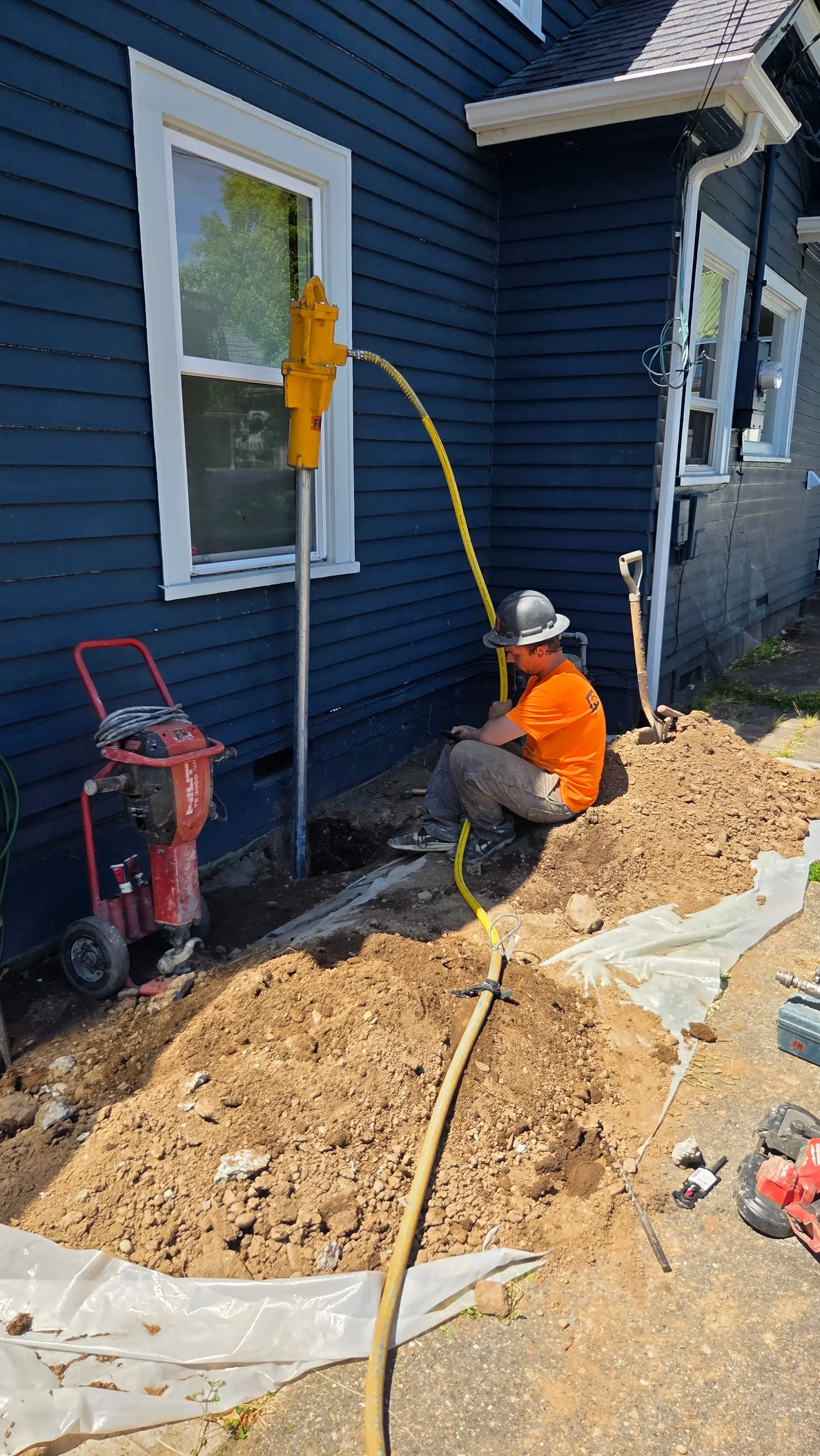
There are several types of deep foundations used in residential and commercial construction. Understanding the differences helps property owners make informed decisions.
Pin Piles
Small-diameter steel piles installed with minimal equipment. Well suited for retrofitting beneath existing structures, working in tight spaces, and reaching the correct depth in soft soil or variable fill.
Commonly used in residential foundation repair and light commercial applications.
Concrete Piles
Precast or cast-in-place concrete piles used in larger commercial and infrastructure projects.
Better suited for tall buildings, industrial buildings, and applications requiring very high load capacity.
Helical Piles / Helical Piers
Steel shafts with helix plates that are rotated into the ground like a screw. Helical piles offer immediate load-bearing capacity and work well in soft soil and high water table conditions.
They are a close relative of pin piles and are often used in similar applications. We install both.
Sheet Piles
Interlocking steel sections driven into the ground to retain soil or water.
Used in waterfront structures, marine contractor work, and situations involving wave action or lateral earth pressure rather than vertical load support.
Soldier Piles
Vertical steel piles used in combination with lagging to retain soil during excavation.
Often used in permanent lagging wall construction for commercial and infrastructure projects.
Each system has a specific need it is best suited for. We help you understand which option fits your property and your goals.
Residential and Commercial Pin Pile Installation
We work with property owners across the full range of project types.
Residential
Pin pile installation for homes with settled or shifting foundations, soft soil conditions, or areas of concern flagged during a home inspection. We work under occupied homes with minimal disruption to the structure above.
Commercial
Deep foundation support for commercial buildings, mixed-use properties, and light industrial buildings where additional support is needed beneath an existing foundation or as part of new construction. We have years of experience on commercial projects throughout Whatcom County and the surrounding region.
If you have a project in mind and are not sure whether pin piles are the right solution, contact us. We are happy to review the situation and give you a straightforward answer.
WHAT TO EXPECT

When you contact us, you’ll likely speak with Janeah or Kelsey. They’ll ask a few questions, gather basic information, and schedule a site visit. If you have a prior report or estimate, they will review it so our team arrives prepared.
During the visit, you’ll meet with Eric or David. They’re experienced builders, not commissioned sales staff. They’ll evaluate the issue and surrounding conditions and explain what they see in plain language.
Afterward, you’ll receive a written proposal with recommended solutions and costs. If there’s more than one option, we’ll walk you through it so you can decide without pressure.
We’re owner-led, and your estimator stays involved through completion so the work is carried out as discussed. Our crews keep a clean job site.
DEEP LOCAL KNOWLEDGE. PROVEN EXPERIENCE. CLEAR ACCOUNTABILITY.
Behind every Foundation Restoration project is Matt Shaver, whose hands-on leadership and long commitment to quality and community help set the standard for how work gets done.
Locally owned & operated by Matt Shaver
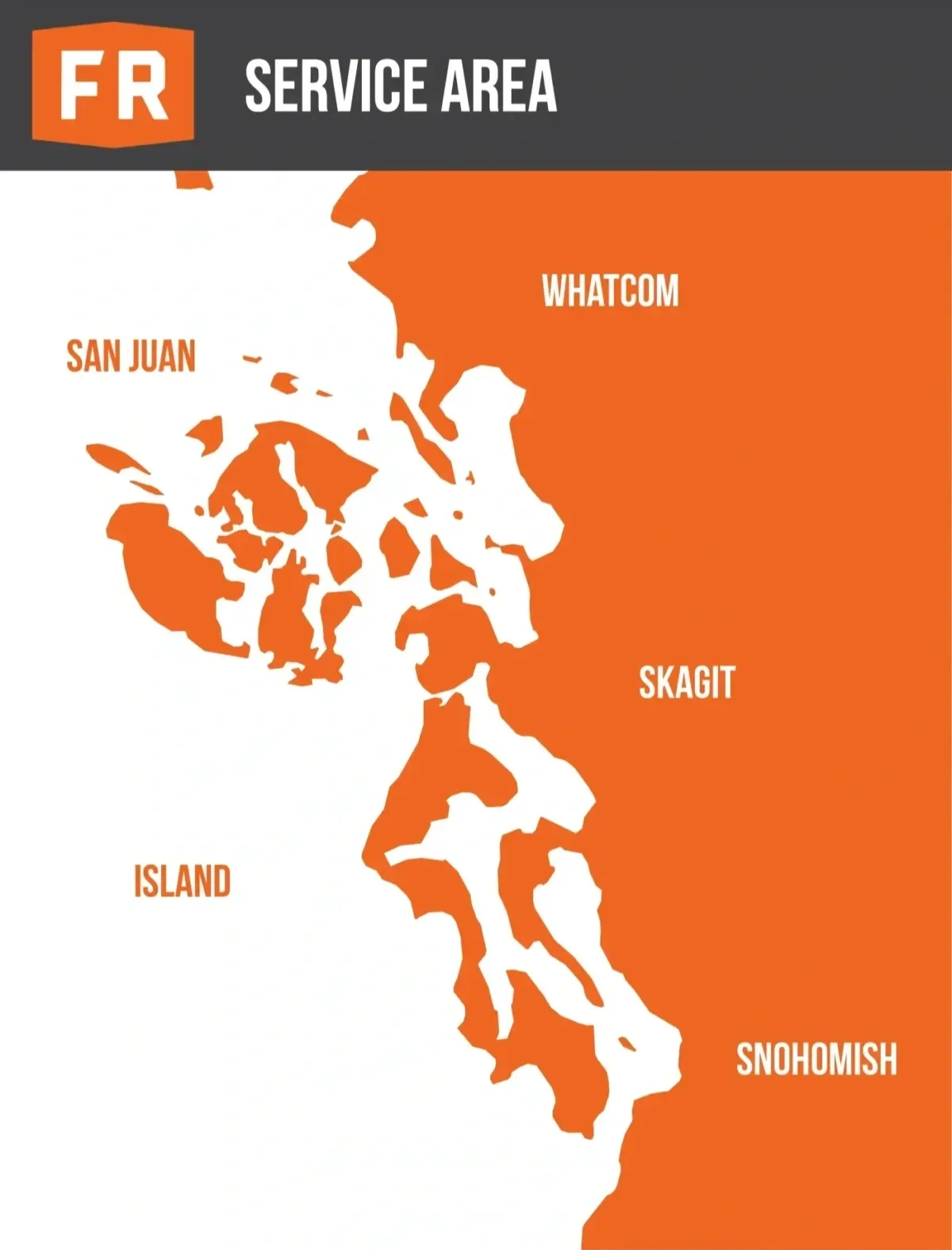
Serving Whatcom, Skagit, Island, San Juan, and Snohomish counties
Licensed, bonded, and insured
Project continuity
Your estimator is the project manager from start to finish
Clear, written warranty terms
Structural Specialists
Thousands of local foundations evaluated and repaired since 2009
Extensive experience with Western Washington soil, moisture, and settlement conditions
Commercial-grade systems installed in residential homes
Involved in our communities
Supporting local organizations and community initiatives
David Burkett
Residential Estimator
& Project Manager
Kelsey Riley
Director of Admin
Eric Simonsen
Residential Estimator
& Project Manager
LOCAL EXPERIENCE YOU CAN SEE
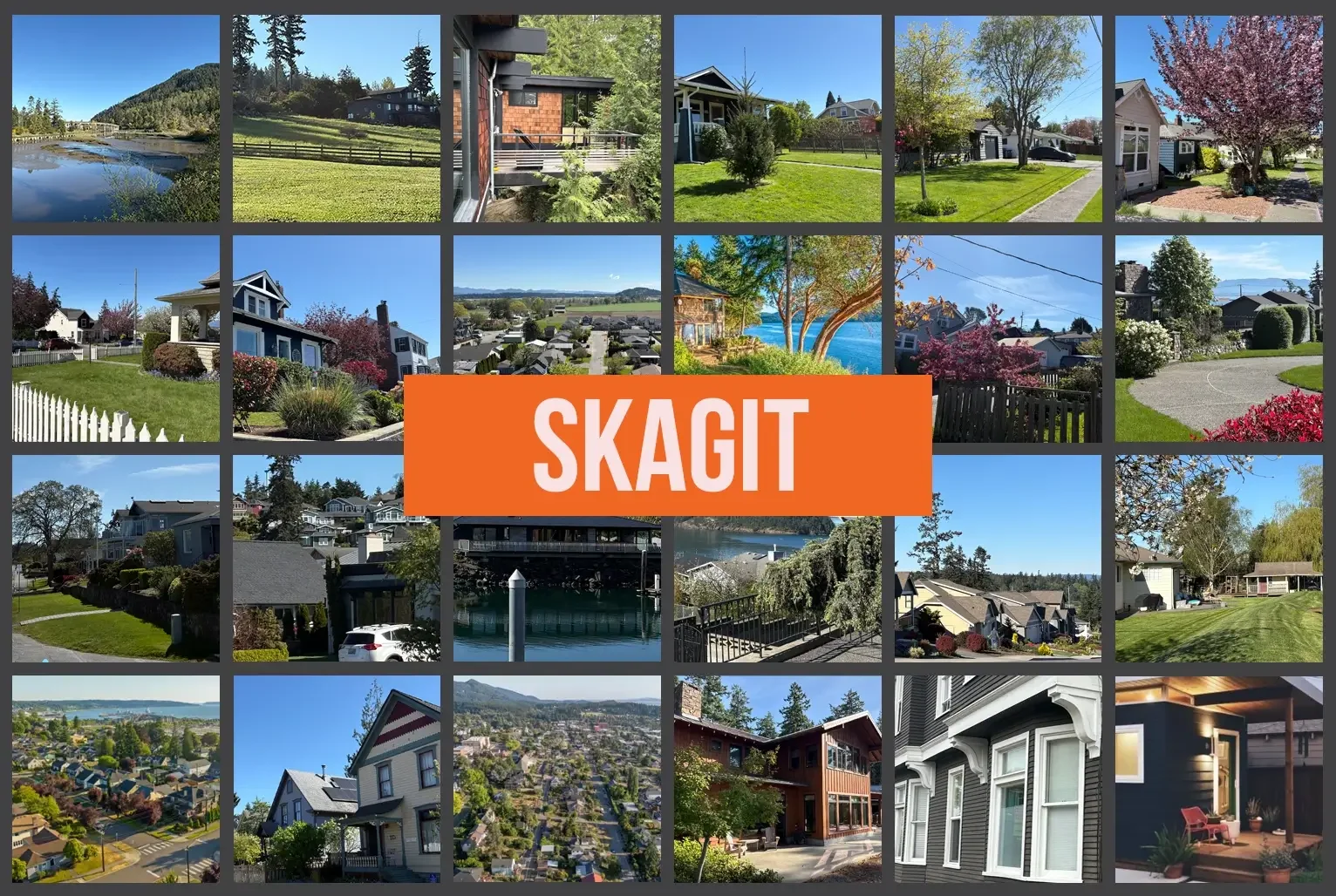
Since 2009, we have evaluated and repaired thousands of homes throughout Whatcom, Skagit, Island, San Juan, and Snohomish counties. From older foundations on South Hill to hillside properties in Sudden Valley and historic homes in the Lettered Streets, we understand how Western Washington rainfall and changing soil conditions affect structures over time.
We have worked on homes built on rocky bluffs in the islands, on expansive soils in the Skagit Valley, and on mixed fill common in parts of Bellingham. Each site presents different conditions, and each requires a careful, site-specific approach.
Many of our projects are in neighborhoods you likely know. We are often referred by homeowners, real estate professionals, inspectors, and local contractors who have seen our work firsthand.
My wife and I thought they were excellent from start to finish. Knowledgeable, competent, accommodating, quick to respond, and always able to answer questions. And just genuinely nice people. Honestly, Foundation Restoration is one of the best companies I’ve worked with…highly recommend going with them.”
- Chris, homeowner, Fountain District, Bellingham
THOUSANDS OF SATISFIED CUSTOMERS
FAQs
What are pin piles used for?
1
Pin piles are used to stabilize and support foundations where the upper soil cannot carry structural loads. They transfer weight from the structure down to more stable soil or bedrock at the correct depth. Common applications include foundation repair, underpinning, and providing additional support beneath existing structures.
How long does pin pile installation take?
2
Project timelines vary depending on the number of piles required, site conditions, and access. Many residential projects are completed in one to three days. We will give you a clear timeline as part of your written proposal.
Are pin piles the same as helical piers?
3
They are related but not identical. Both are types of deep foundations installed with relatively small equipment. Helical piles use helix plates to advance into the soil by rotation. Pin piles are typically driven or pushed. Both can be used in soft soil and high water table conditions. We install both and can help you determine which is the better fit for your property.
Can pin piles be installed in tight spaces?
4
Yes. This is one of the key advantages of pin piles over larger deep foundation systems. They can be installed with compact equipment in crawlspaces, along property lines, and in other areas with limited access.